2026 Student Loan Interest Rate Forecast: What US Borrowers Need to Know
Anúncios
Understanding the 2026 Student Loan Interest Rate Forecast: What US Borrowers Need to Know
The landscape of student loans is constantly shifting, influenced by economic trends, federal policies, and global events. For millions of American students and graduates, understanding these changes, particularly the future of interest rates, is paramount to effective financial planning. As we look ahead to 2026, the question on many borrowers’ minds is: what will student loan interest rates look like, and how can I prepare?
This comprehensive guide aims to shed light on the projected student loan rates 2026, exploring the various factors that could shape them. We’ll delve into the economic indicators, potential policy shifts, and practical strategies US borrowers can employ to navigate this financial terrain. Whether you’re a prospective student, a current borrower, or a parent planning for your child’s education, this information is crucial for making informed decisions.
The Current State of Student Loan Interest Rates
Before we project into 2026, it’s essential to understand the current mechanisms that determine student loan interest rates. Federal student loan interest rates are set annually by Congress, typically based on the 10-year Treasury note yield, plus a fixed add-on. These rates are fixed for the life of the loan, meaning the rate you receive when your loan is disbursed will not change. Private student loan rates, on the other hand, can be variable or fixed and are determined by individual lenders based on market conditions, the borrower’s creditworthiness, and other proprietary factors.
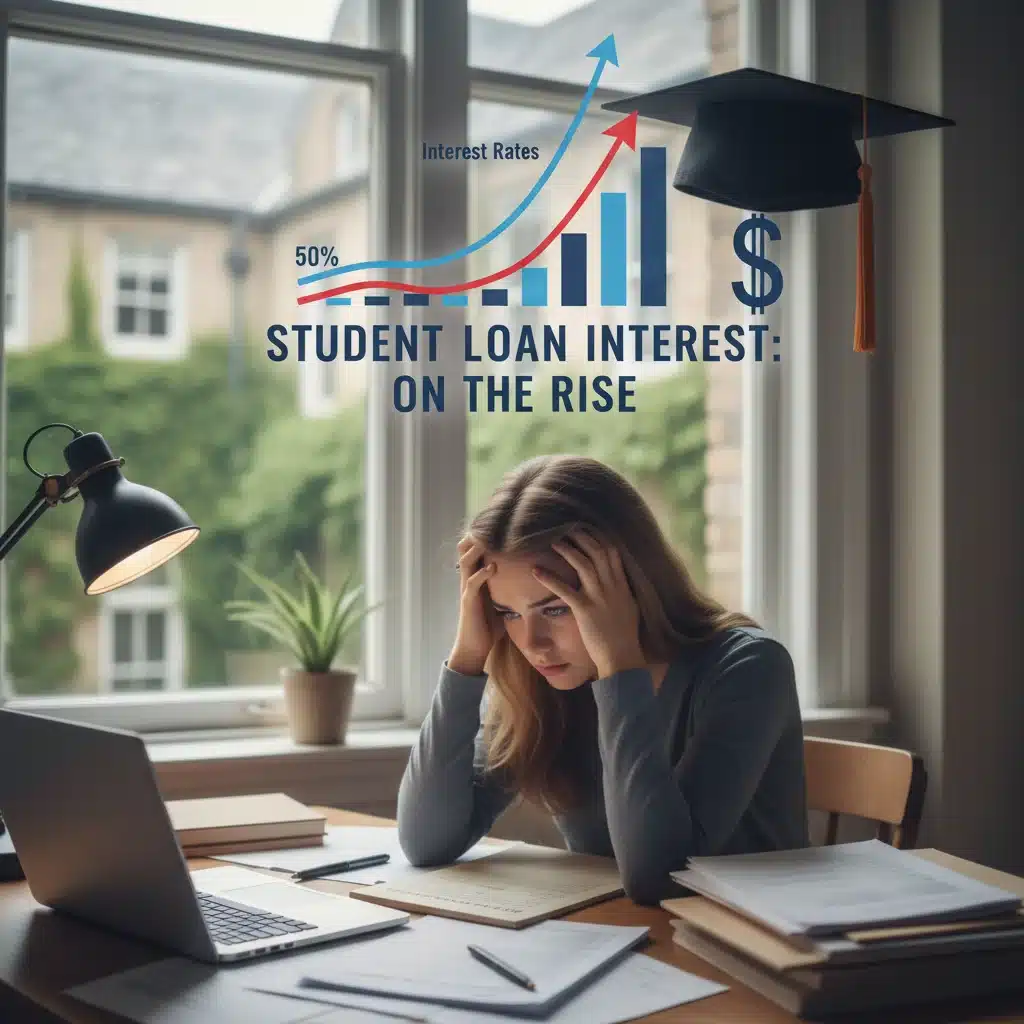
The recent years have seen significant fluctuations. The COVID-19 pandemic led to an unprecedented pause in federal student loan payments and 0% interest, which has since ended. The return to repayment, coupled with rising inflation and the Federal Reserve’s aggressive interest rate hikes, has created a dynamic environment. While federal rates for new loans are still relatively low compared to historical highs, the overall economic climate suggests a potential for upward movement.
Anúncios
Key Economic Factors Influencing 2026 Student Loan Rates
Forecasting student loan rates 2026 requires a deep dive into several interconnected economic indicators. These factors play a pivotal role in shaping the broader interest rate environment, which in turn affects student loans.
Inflation Trends
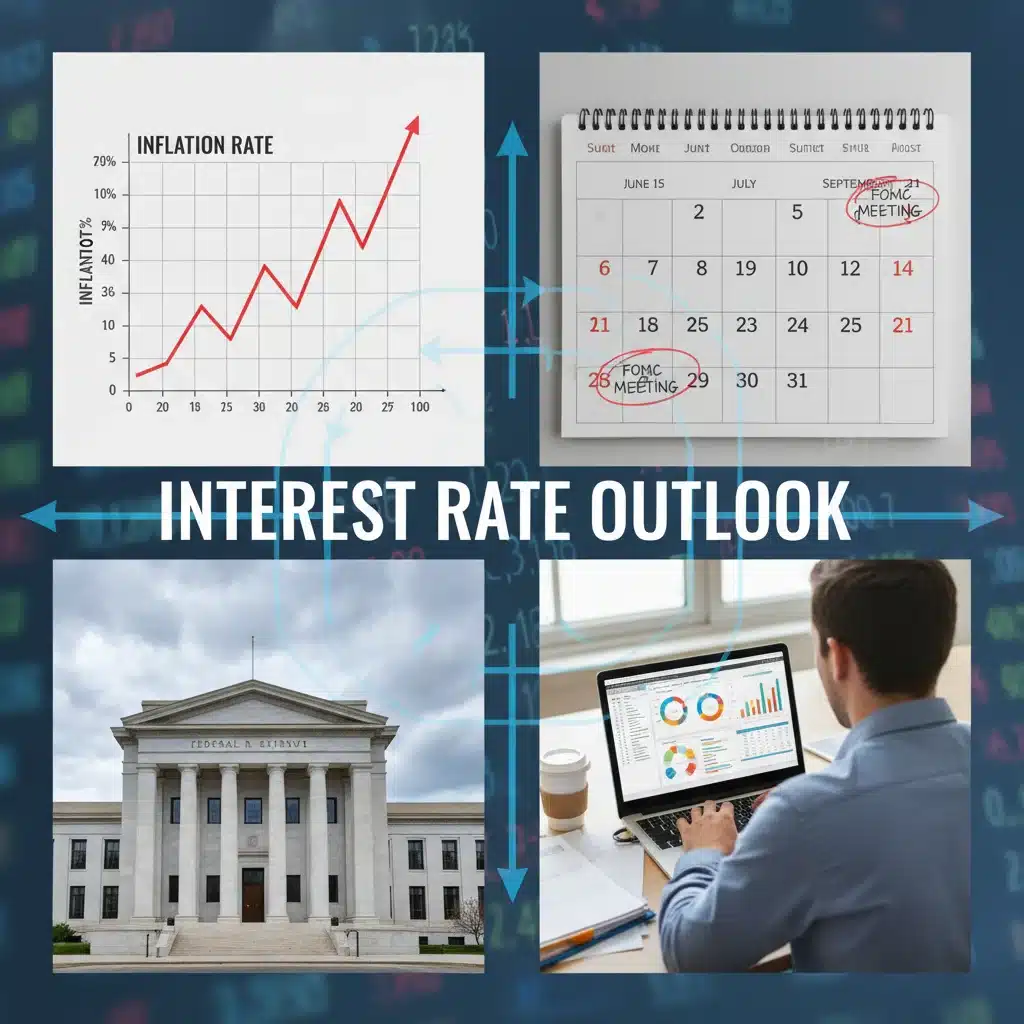
Inflation is a primary driver of interest rates. When inflation is high, the Federal Reserve typically raises its benchmark interest rate (the federal funds rate) to cool down the economy. This, in turn, influences the yield on Treasury notes, which directly impacts federal student loan rates. If inflation remains elevated or experiences another surge leading up to 2026, we could see higher student loan rates.
Anúncios
Federal Reserve Policy and the Federal Funds Rate
The Federal Reserve’s monetary policy, particularly its stance on the federal funds rate, is a critical determinant. The Fed uses this rate to influence borrowing costs throughout the economy. While federal student loan rates are not directly tied to the federal funds rate, significant changes in the latter create ripple effects across all financial markets, including the Treasury yields that federal student loan rates are based on. The Fed’s ongoing battle against inflation and its future projections for economic growth will be key in predicting rate movements.
Economic Growth and Employment Data
A strong economy, characterized by robust GDP growth and low unemployment, often correlates with higher interest rates. This is because a strong economy can withstand higher borrowing costs, and demand for credit tends to increase. Conversely, a weakening economy might prompt the Fed to lower rates to stimulate activity. The health of the US economy as it evolves towards 2026 will undoubtedly influence the interest rate landscape.
Government Spending and Budget Deficits
Government borrowing to finance deficits can also impact interest rates. When the government issues more Treasury bonds to fund its operations, it increases the supply of these bonds, which can drive up their yields. Given the current national debt and potential future spending initiatives, this factor could contribute to the trajectory of student loan rates 2026.
Global Economic Conditions
The US economy does not operate in a vacuum. Global economic conditions, including geopolitical stability, supply chain issues, and the economic performance of major trading partners, can all have an indirect impact on US interest rates. A global recession or significant international financial events could alter the domestic economic outlook and, consequently, interest rate forecasts.
Projected 2026 Student Loan Interest Rate Scenarios
Given the multitude of influencing factors, predicting exact student loan rates 2026 is challenging. However, we can outline several plausible scenarios based on current economic projections and expert analyses.
Scenario 1: Moderate Increase
Many economists anticipate a scenario where interest rates continue to rise moderately. This would occur if inflation gradually cools but remains above the Federal Reserve’s target, leading to continued, albeit slower, rate hikes or a prolonged period of elevated rates. Under this scenario, federal student loan rates for undergraduate, graduate, and PLUS loans could see slight increases from their current levels, possibly by another 0.5% to 1.5%.
Scenario 2: Stability or Slight Decrease
A more optimistic scenario would involve inflation returning to target levels and the economy experiencing a soft landing or even a mild recession by late 2025. In this case, the Federal Reserve might begin to lower its benchmark rate, which could lead to stable or even slightly decreased federal student loan rates for 2026. This scenario is less likely given current projections but remains a possibility if economic conditions improve significantly.
Scenario 3: Significant Increase
This scenario would materialize if inflation proves more persistent than expected, or if unforeseen economic shocks occur (e.g., another energy crisis, major supply chain disruptions). The Federal Reserve might be forced to implement more aggressive rate hikes, pushing Treasury yields and, consequently, federal student loan rates substantially higher. This could mean rates climbing by 2% or more from current levels, making borrowing significantly more expensive.
Potential Policy Changes Affecting Student Loans by 2026
Beyond economic factors, legislative and administrative policy changes can significantly impact student loan borrowers. The political climate leading up to and following the 2024 presidential election could introduce new dynamics.
Federal Student Loan Programs and Reforms
There’s ongoing discussion about reforming federal student loan programs. This could involve changes to income-driven repayment (IDR) plans, Public Service Loan Forgiveness (PSLF), or even the way interest rates are calculated. Any major overhaul could alter the financial burden for future and existing borrowers.
Interest Rate Calculation Methodology
While less frequent, Congress could theoretically change the formula used to set federal student loan interest rates. For instance, they might opt for a different benchmark than the 10-year Treasury note or adjust the fixed add-on percentage. Such a change, though unlikely without significant political impetus, could directly influence student loan rates 2026.
Loan Forgiveness Initiatives
The debate around broad student loan forgiveness continues. While past attempts have faced legal challenges, future administrations might pursue different approaches or smaller-scale forgiveness programs that could indirectly alleviate the burden of high interest rates for some borrowers.
Strategies for US Borrowers to Prepare for 2026
Regardless of the exact forecast for student loan rates 2026, proactive planning is crucial. Here are actionable strategies for current and prospective borrowers:
1. Understand Your Loan Types
Distinguish between federal and private loans. Federal loans offer more protections (e.g., income-driven repayment, deferment, forbearance), while private loans typically have fewer safeguards and rates that can be more sensitive to market changes. Knowing your loan types is the first step to effective management.
2. Prioritize High-Interest Debt
If you have multiple loans with varying interest rates, consider focusing extra payments on the loans with the highest rates first. This strategy, often called the ‘debt avalanche’ method, can save you a significant amount of money over the life of your loans.
3. Explore Income-Driven Repayment (IDR) Plans
For federal loan borrowers, IDR plans can make monthly payments more manageable by capping them at a percentage of your discretionary income. While IDR plans might extend your repayment period and potentially increase the total interest paid, they can prevent default and offer a path to forgiveness after a certain number of payments.
4. Consider Refinancing Private Loans
If you have private student loans and your credit score has improved since you took them out, or if market rates decrease, refinancing could be an option. Refinancing can potentially lower your interest rate or change your repayment terms. However, be cautious: refinancing federal loans into private ones means losing federal protections.
5. Make Extra Payments When Possible
Even small extra payments can make a big difference in reducing your principal balance and the total interest you’ll pay. Consider rounding up your monthly payment or making an extra payment whenever you receive a bonus or tax refund.
6. Build an Emergency Fund
Having an emergency fund can prevent you from missing loan payments if unexpected expenses arise. This financial cushion can be invaluable in maintaining good credit and avoiding penalties.
7. Stay Informed About Policy Changes
Keep abreast of any new legislation or administrative actions related to student loans. Websites of the Department of Education, federal student aid, and reputable financial news outlets are good sources of information.
8. Budget and Track Your Spending
A clear understanding of your income and expenses is fundamental to managing any debt. Create a detailed budget and regularly track your spending to identify areas where you can save and allocate more towards your student loans.
9. Seek Financial Counseling
If you’re overwhelmed by your student loan debt, consider consulting a non-profit credit counseling agency or a financial advisor specializing in student loans. They can help you explore your options and develop a personalized repayment strategy.

The Role of Education and Financial Literacy
Beyond immediate strategies, fostering financial literacy is a long-term investment. Understanding how interest accrues, the impact of compounding, and the various repayment options empowers borrowers to make better choices throughout their academic and professional lives. Colleges and universities, alongside government agencies, have a crucial role to play in educating students about the financial realities of borrowing for higher education.
Prospective students, in particular, should carefully consider the total cost of their education, including potential interest, and explore all available grants, scholarships, and federal aid before resorting to private loans. The decision to take on student debt should be an informed one, based on a clear understanding of future repayment obligations and the projected economic environment, including student loan rates 2026.
Conclusion: Preparing for the Future of Student Loan Rates
The forecast for student loan rates 2026 remains subject to a complex interplay of economic forces and policy decisions. While definitive predictions are elusive, the current economic climate suggests a likelihood of rates remaining elevated or experiencing moderate increases. Borrowers must remain vigilant, informed, and proactive in managing their student loan debt.
By understanding the factors that influence interest rates, exploring available repayment options, and adopting sound financial habits, US borrowers can better prepare for the future. The journey through student loan repayment is a marathon, not a sprint, and strategic planning today will pave the way for greater financial stability tomorrow.
Stay updated on economic news, engage with resources from the Department of Education, and continuously evaluate your repayment strategy to adapt to any changes in the student loan landscape. Your financial well-being hinges on your ability to navigate these waters effectively.