WOTC 2026: Claim Up to $9,600 Per Hire – Maximize Your Business Tax Credits

Anúncios
The landscape of federal tax incentives for businesses is constantly evolving, presenting both opportunities and challenges for employers. Among the most impactful and often underutilized programs is the Work Opportunity Tax Credit (WOTC). As we look towards 2026, understanding and leveraging the WOTC 2026 benefits can be a game-changer for businesses of all sizes. This comprehensive guide will delve into the intricacies of the WOTC, focusing on how your business can claim up to an impressive $9,600 per eligible hire, thereby significantly reducing your federal tax liability and contributing to workforce development.
In today’s competitive economic environment, every dollar saved and every incentive maximized can directly impact a business’s bottom line and growth potential. The WOTC is not just a tax break; it’s a strategic tool designed to encourage employers to hire individuals from specific target groups facing significant barriers to employment. By doing so, businesses not only receive a substantial tax credit but also play a vital role in fostering economic opportunity and social inclusion.
Many businesses, unfortunately, leave WOTC funds on the table due to a lack of awareness, perceived complexity, or inadequate systems for identification and application. This article aims to demystify the WOTC for 2026, providing clear, actionable insights to ensure your business is fully prepared to capitalize on these valuable credits. We will cover who is eligible, how to navigate the application process, and best practices for maximizing your WOTC 2026 benefits.
Anúncios
Understanding the Work Opportunity Tax Credit (WOTC): A Foundation for 2026
The Work Opportunity Tax Credit is a federal tax credit available to employers for hiring individuals from certain target groups who have consistently faced significant barriers to employment. Enacted to promote the hiring of these individuals, WOTC provides a financial incentive to businesses, encouraging them to diversify their workforce and contribute to community welfare. While the specifics can sometimes be complex, the core principle is straightforward: hire an eligible individual, and Uncle Sam helps offset your tax burden.
The Evolution and Current Status of WOTC
The WOTC program has a rich history, evolving through various legislative acts since its inception. It has been consistently renewed, underscoring its bipartisan support and proven effectiveness in stimulating employment. As we approach 2026, the program is expected to continue its vital role in job creation and economic support for businesses. The tax credit amount can vary depending on the target group and the number of hours worked by the eligible employee, with a maximum credit of $9,600 per hire.
Anúncios
Why WOTC Matters for Your Business in 2026
For businesses looking to optimize their finances and demonstrate corporate social responsibility, the WOTC 2026 benefits are undeniable. Beyond the direct tax savings, participating in the WOTC program can:
- Reduce Tax Liability: Directly lowers your federal income tax liability, translating into tangible savings.
- Improve Cash Flow: The savings can be reinvested into your business, supporting growth, innovation, or other operational needs.
- Enhance Workforce Diversity: By intentionally hiring from target groups, businesses can build a more diverse and inclusive workforce, which has been shown to correlate with increased innovation and better business outcomes.
- Boost Public Image: Demonstrates a commitment to community development and social responsibility, enhancing your brand reputation.
- Access New Talent Pools: Opens up recruitment to often overlooked segments of the population, potentially uncovering dedicated and loyal employees.
Who Qualifies? Identifying WOTC Eligible Hires for 2026
The cornerstone of claiming the WOTC 2026 benefits lies in accurately identifying eligible new hires. The IRS defines several target groups, and an individual must belong to at least one of these categories at the time of hiring. It’s crucial for employers to understand these categories to effectively pre-screen candidates and ensure proper documentation.
Key WOTC Target Groups
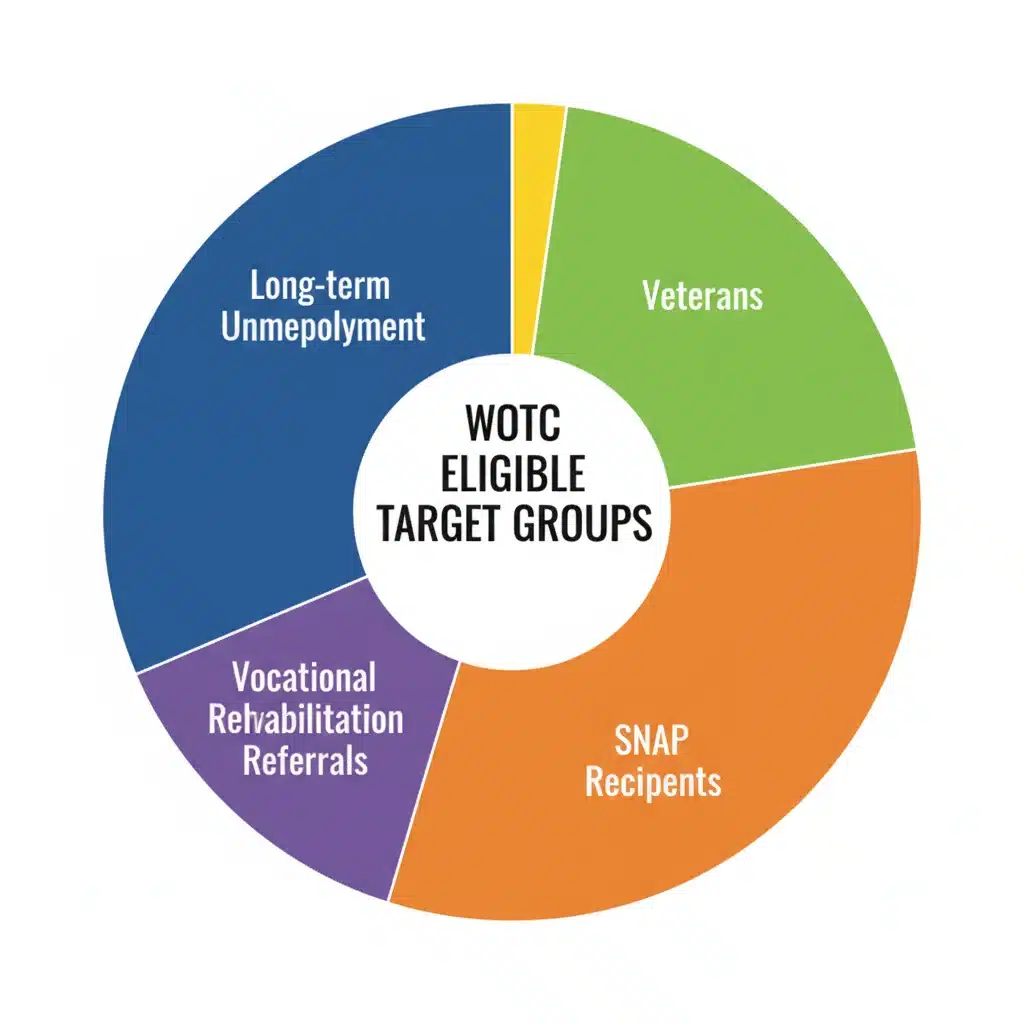
The WOTC program currently recognizes several specific target groups. While these can be subject to legislative changes, the core categories typically include:
- Qualified Veterans: This is a broad category with several sub-groups, including unemployed veterans, veterans receiving SNAP benefits, and those with service-connected disabilities. The maximum credit for certain veteran categories can be as high as $9,600.
- Temporary Assistance for Needy Families (TANF) Recipients: Individuals who are members of families receiving TANF benefits for a specified period.
- SNAP (Food Stamp) Recipients: Individuals aged 18-39 who are members of families receiving SNAP benefits for a specific period.
- Designated Community Residents (DCRs): Individuals aged 18-39 who reside within an empowerment zone, enterprise community, or renewal community.
- Vocational Rehabilitation Referrals: Individuals with physical or mental disabilities who have completed or are completing rehabilitative services.
- Ex-Felons: Individuals hired within one year of conviction or release from prison.
- Supplemental Security Income (SSI) Recipients: Individuals receiving SSI benefits for any month ending within the 60-day period ending on the hiring date.
- Long-Term Unemployment Recipients: Individuals who have been unemployed for at least 27 consecutive weeks and have received unemployment compensation during some portion of the unemployment period.
- Qualified Long-Term Family Assistance Recipients: Individuals who are members of families that have received TANF benefits for at least 18 consecutive months or meet other specific criteria related to long-term welfare assistance.
- Summer Youth Employees (SYE): Individuals aged 16 or 17 who live in an empowerment zone, enterprise community, or renewal community and are hired for summer employment.
It is paramount that employers conduct due diligence to confirm a new hire’s eligibility within these groups. Misidentification can lead to denied credits and wasted effort.
Maximizing Your WOTC 2026 Benefits: The Credit Amounts
The value of the WOTC varies depending on the target group and the employee’s wages during their first year of employment. Understanding these variations is key to accurately forecasting your potential tax savings and ensuring you’re claiming the maximum possible WOTC 2026 benefits.
General Credit Calculation
For most target groups, the credit is 40% of the first $6,000 in qualified wages paid to an eligible employee during their first year of employment, provided the employee works at least 400 hours. This translates to a maximum credit of $2,400 per eligible hire ($6,000 x 40%). If the employee works at least 120 hours but less than 400 hours, the credit is 25% of the first $6,000 in qualified wages, resulting in a maximum credit of $1,500.
Enhanced Credits for Specific Groups
Certain target groups qualify for significantly higher credits, reflecting the greater barriers they face in the job market:
- Long-Term Unemployment Recipients: For these individuals, the credit is 40% of the first $14,000 in qualified first-year wages, up to a maximum credit of $5,600. An additional credit of 20% on the first $10,000 of second-year wages can bring the total potential credit to $9,600 over two years.
- Qualified Veterans (with service-connected disabilities and long-term unemployment): These veterans can qualify for the highest credits. If they have a service-connected disability and have been unemployed for at least six months, the credit can be up to $9,600.
- Summer Youth Employees: The credit for SYEs is 40% of the first $3,000 in qualified wages, up to a maximum of $1,200.
It’s important to note that the WOTC is a general business credit, meaning it can offset your regular income tax and, in some cases, the alternative minimum tax (AMT). Unused credits can generally be carried back one year and forward 20 years, providing long-term flexibility for businesses.
The WOTC Application Process: Steps to Claim Your 2026 Credits
Claiming the WOTC 2026 benefits requires a structured approach and adherence to strict deadlines. The application process primarily involves three key stages: pre-screening, certification, and claiming the credit.
Step 1: Pre-Screening and Documentation
This is arguably the most critical step. Employers must pre-screen all new hires to determine potential WOTC eligibility. This typically involves:
- Form ETA 9061: The IRS/DOL pre-screening notice and certification request. This form should be completed by the job applicant on or before the job offer is made. It collects information necessary to determine if the individual belongs to a WOTC target group.
- Form ETA 9062: The conditional certification form, used by state workforce agencies (SWAs) to conditionally certify individuals as members of a WOTC target group.
- Collecting Supporting Documentation: Depending on the target group, additional documentation may be required (e.g., proof of SNAP benefits, veteran discharge papers, vocational rehabilitation records).
Crucial Deadline: The most significant deadline is that Form ETA 9061 (or 9062) must be submitted to the State Workforce Agency (SWA) within 28 days of the eligible individual’s start date. Missing this deadline will result in the forfeiture of the credit for that employee.
Step 2: Certification by the State Workforce Agency (SWA)
Once the completed forms and supporting documentation are submitted, the SWA reviews the information to verify the applicant’s eligibility. If approved, the SWA issues a certification to the employer. This certification is proof that the employee meets the WOTC criteria.
The SWA’s review process can take time, so it’s essential to submit complete and accurate information upfront to avoid delays or denials. Maintaining clear communication with your SWA or a WOTC specialist can streamline this process.
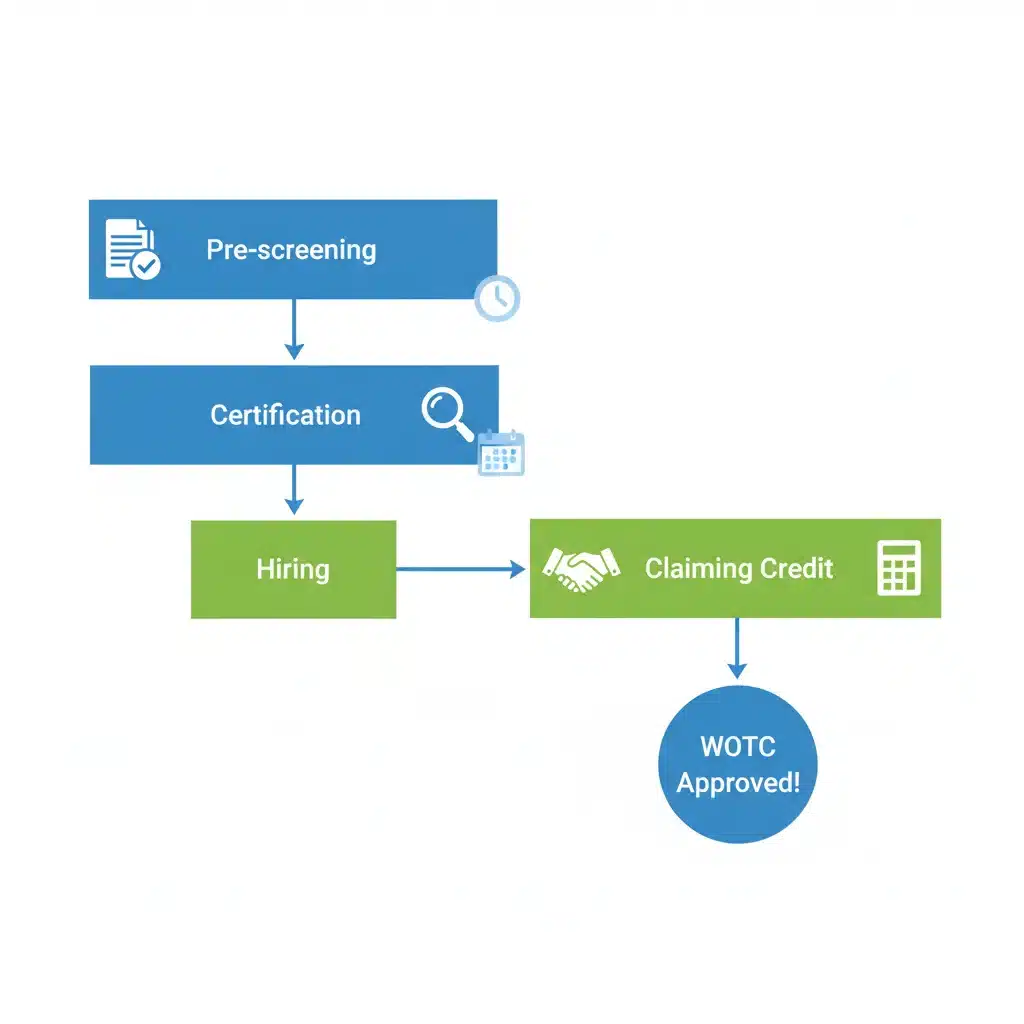
Step 3: Claiming the Credit on Your Tax Return
After receiving certification from the SWA, you can claim the credit on your federal income tax return. This involves:
- Form 5884, Work Opportunity Credit: This form is used to calculate the actual credit amount.
- Form 3800, General Business Credit: This form is used to summarize various business credits, including the WOTC, and apply them to your tax liability.
You will need to keep accurate records of the employee’s wages and hours worked during their first year of employment to correctly calculate the credit. Remember, the credit is claimed in the tax year the wages are paid, not necessarily the year the employee was hired, although the eligibility determination is based on the hiring date.
Best Practices for Maximizing Your WOTC 2026 Benefits
To truly unlock the full potential of the WOTC 2026 benefits, businesses need to implement proactive strategies and robust internal processes. Simply being aware of the credit isn’t enough; systematic identification and application are key.
Integrate WOTC into Your Hiring Workflow
The most effective way to capture WOTC credits is to make it an integral part of your recruitment and onboarding process. This means:
- Universal Pre-screening: Implement a system where every new hire completes the WOTC pre-screener (Form ETA 9061) as part of their initial paperwork. This ensures no eligible candidate is missed.
- Training HR and Hiring Managers: Educate your HR team and hiring managers on the WOTC target groups and the importance of timely submission. They are often the first point of contact for new hires.
- Digital Solutions: Utilize HR software or dedicated WOTC platforms that can automate the pre-screening process, manage documentation, and track deadlines.
Understand and Track Eligibility Periods
Eligibility for WOTC is time-sensitive. The 28-day rule is non-negotiable. Establish internal reminders and checks to ensure all necessary forms are submitted to the SWA within this critical window. Proactive follow-up with SWAs is also important to track certification status.
Maintain Meticulous Records
The IRS requires thorough documentation to support any tax credit claims. For WOTC, this includes:
- Completed Forms ETA 9061 and 9062.
- SWA certification letters.
- Payroll records detailing wages and hours worked for eligible employees.
- Any supporting documentation for the employee’s target group status.
Organized record-keeping will simplify the process of claiming the credit and provide a strong defense in case of an audit.
Leverage WOTC Specialists and Tax Professionals
While this guide provides a solid foundation, the nuances of WOTC can be complex. Partnering with a WOTC specialist or a tax professional who has expertise in these credits can be invaluable. They can:
- Ensure compliance with all federal and state regulations.
- Identify all eligible hires, even those that might be overlooked internally.
- Streamline the application and certification process.
- Maximize the credit amounts claimed.
- Handle any SWA or IRS inquiries.
Common Pitfalls and How to Avoid Them
Despite the significant WOTC 2026 benefits, many businesses fail to fully capitalize on them due to common mistakes. Awareness of these pitfalls is the first step to avoiding them.
Missing the 28-Day Deadline
As mentioned, this is the most frequent reason for denied credits. Without a robust system to capture and submit the necessary forms within 28 days of the hire date, you will lose out on the credit. Implement automated reminders or a dedicated WOTC team member.
Incomplete or Inaccurate Documentation
SWAs require precise information. Any missing fields, inconsistent data, or lack of supporting evidence can lead to delays or outright rejections. Emphasize thoroughness during the pre-screening process.
Lack of Awareness Among Hiring Staff
If your hiring managers or recruiters aren’t aware of WOTC, they won’t know to ask the right questions or present the necessary forms to new hires. Regular training and clear communication are essential.
Not Claiming All Eligible Categories
Some businesses might only focus on the most common target groups, overlooking others that could also yield significant credits. A comprehensive understanding of all WOTC categories is crucial.
Failure to Track Hours and Wages
The credit amount is directly tied to an employee’s qualified wages and hours worked. Without accurate payroll tracking, it’s impossible to calculate the correct credit, potentially leading to under-claiming or issues during an audit.
WOTC and the Future: What to Expect for 2026 and Beyond
While the focus is on WOTC 2026 benefits, it’s prudent for businesses to consider the program’s long-term outlook. The WOTC has a history of legislative extensions, often as part of larger tax packages. This consistency provides a degree of stability for businesses planning their hiring and tax strategies.
Potential Legislative Changes
As with any federal program, there’s always the possibility of legislative adjustments. These could include:
- Expansion or Contraction of Target Groups: New groups might be added, or existing ones modified based on economic and social needs.
- Changes in Credit Amounts: The maximum credit amounts or the percentage calculations could be adjusted.
- Program Duration: While it has consistently been extended, businesses should stay informed about any upcoming expiration dates and renewal efforts.
Staying abreast of legislative developments through reliable tax news sources, industry associations, or your WOTC specialist will ensure your business remains compliant and maximizes future opportunities.
The Ongoing Value of WOTC
Regardless of minor adjustments, the core value proposition of WOTC is expected to remain strong. It addresses a fundamental need: incentivizing the employment of individuals who need it most. For businesses, this means a continued opportunity to reduce tax burdens while making a positive societal impact.
Conclusion: Unlock Your Business’s Full Potential with WOTC 2026 Benefits
The Work Opportunity Tax Credit for 2026 represents a significant financial incentive that businesses cannot afford to overlook. With the potential to claim up to $9,600 per eligible hire, the WOTC 2026 benefits can translate into substantial tax savings, improved cash flow, and a more diverse, resilient workforce.
By understanding the eligible target groups, meticulously following the application process, and implementing best practices for identification and documentation, your business can confidently navigate the WOTC program. Don’t let perceived complexity deter you; the rewards for proactive engagement are considerable.
Start today by reviewing your hiring processes, educating your team, and considering a partnership with WOTC experts. By strategically leveraging this powerful federal tax credit, your business can achieve financial advantages while simultaneously contributing to a stronger, more inclusive economy. Make 2026 the year your business fully maximizes its WOTC potential.