US Renewable Energy Growth: 10% Capacity Increase in 12 Months
Anúncios
The global energy landscape is undergoing a profound transformation, and the United States is at the forefront of this shift. In a significant development for sustainable power, the US renewable energy sector has achieved a remarkable milestone: a 10% increase in capacity over the last 12 months. This surge not only underscores a growing commitment to cleaner energy sources but also reflects considerable advancements in technology, policy, and economic viability. This comprehensive article delves into the intricacies of this growth, exploring the key drivers, the impact on the national grid, the challenges faced, and the promising outlook for the future of US renewable energy.
The Unprecedented Surge in US Renewable Energy Capacity
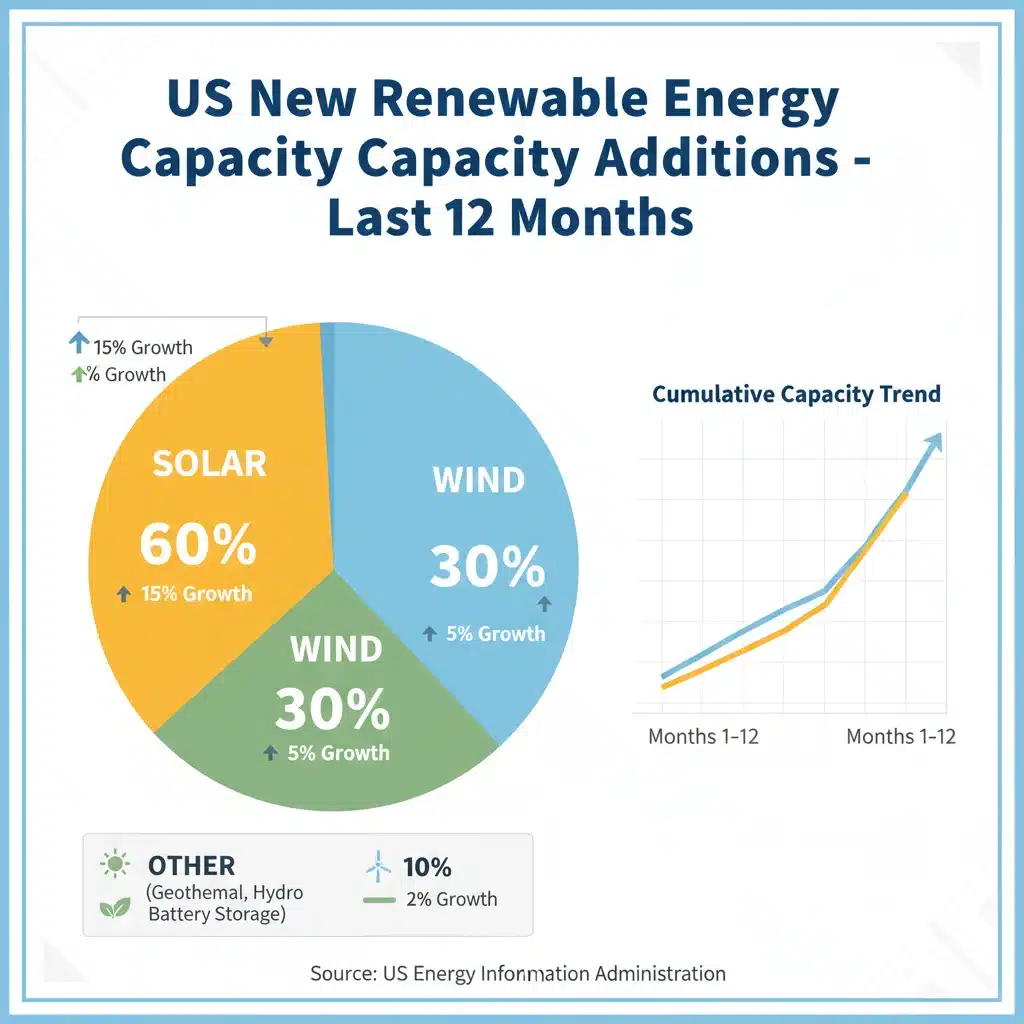
The 10% growth in US renewable energy capacity is not merely a statistic; it represents a tangible shift towards a more sustainable and resilient energy infrastructure. This expansion is primarily driven by the robust performance of solar and wind power, which continue to dominate new installations. These technologies have seen their efficiency improve dramatically while their costs have simultaneously plummeted, making them increasingly competitive with traditional fossil fuels. The past year has been particularly pivotal, with new projects coming online across various states, contributing significantly to the overall capacity. This sustained growth is crucial for meeting ambitious climate goals and ensuring energy security for the nation.
Key Drivers Behind the Growth
Several interconnected factors have fueled this impressive growth in US renewable energy capacity:
Anúncios
- Technological Advancements: Innovations in solar panel efficiency, wind turbine design, and energy storage solutions have made renewable energy more reliable and cost-effective. PERC cells, bifacial modules, and larger, more efficient wind turbines are just a few examples of the technological leaps that have occurred.
- Favorable Government Policies and Incentives: Federal and state-level policies, such as tax credits (e.g., Investment Tax Credit for solar and Production Tax Credit for wind), grants, and renewable portfolio standards (RPS), have played a critical role in de-risking investments and encouraging development. These incentives provide a stable framework for long-term planning and investment in the US renewable energy sector.
- Decreasing Costs: The cost of generating electricity from solar and wind has fallen dramatically over the last decade, making them the cheapest forms of new electricity generation in many regions. This economic advantage is a powerful motivator for utilities and independent power producers.
- Increased Corporate and Consumer Demand: A growing number of corporations are committing to 100% renewable energy goals, driving demand for utility-scale projects. Similarly, residential and commercial consumers are increasingly adopting rooftop solar and other on-site renewable solutions due to environmental concerns and cost savings.
- Energy Independence and Security: Reducing reliance on volatile fossil fuel markets and foreign energy sources enhances national energy independence and security. Renewable energy, being domestically sourced, contributes significantly to this objective.
- Environmental Concerns and Climate Change Mitigation: The urgency of addressing climate change and reducing greenhouse gas emissions continues to be a primary driver for the transition to renewable energy. The public and private sectors are increasingly aligning on the need for decarbonization.
Solar Power: A Shining Example of Expansion
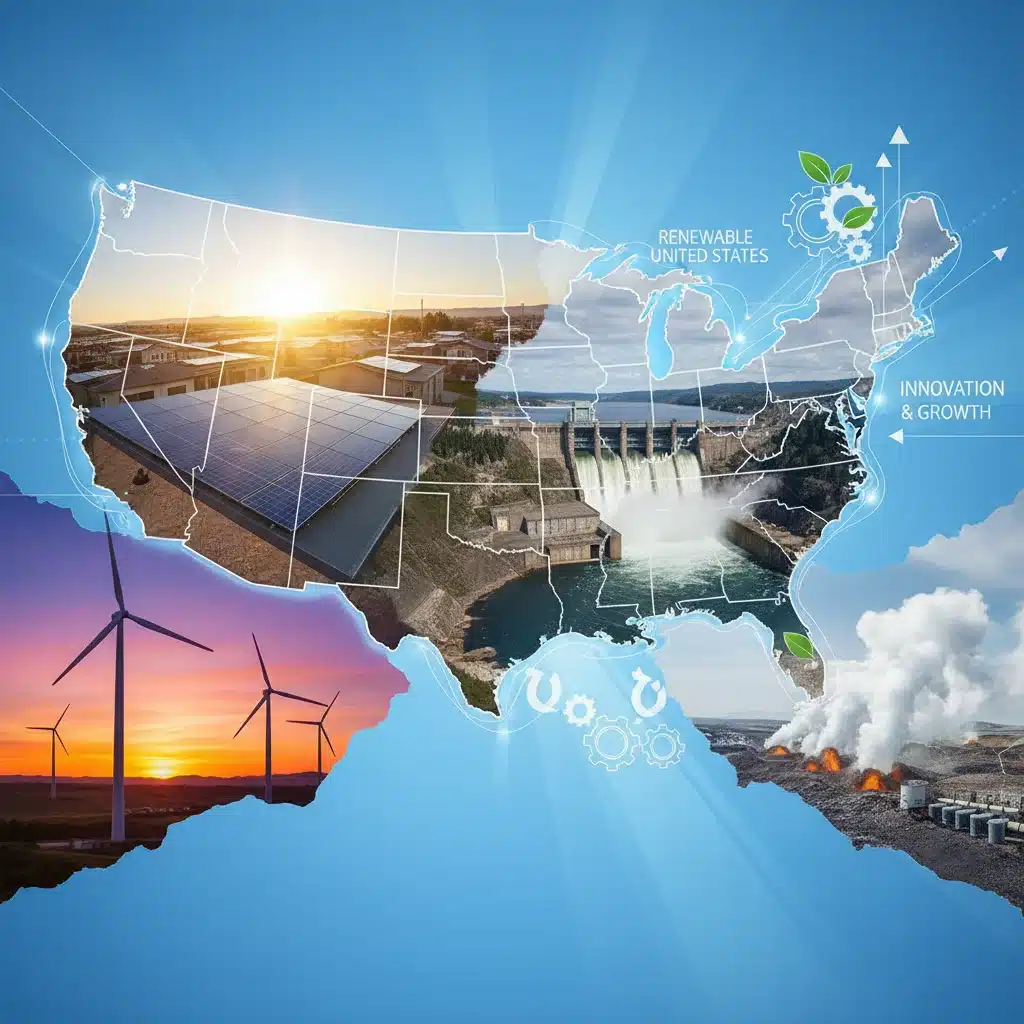
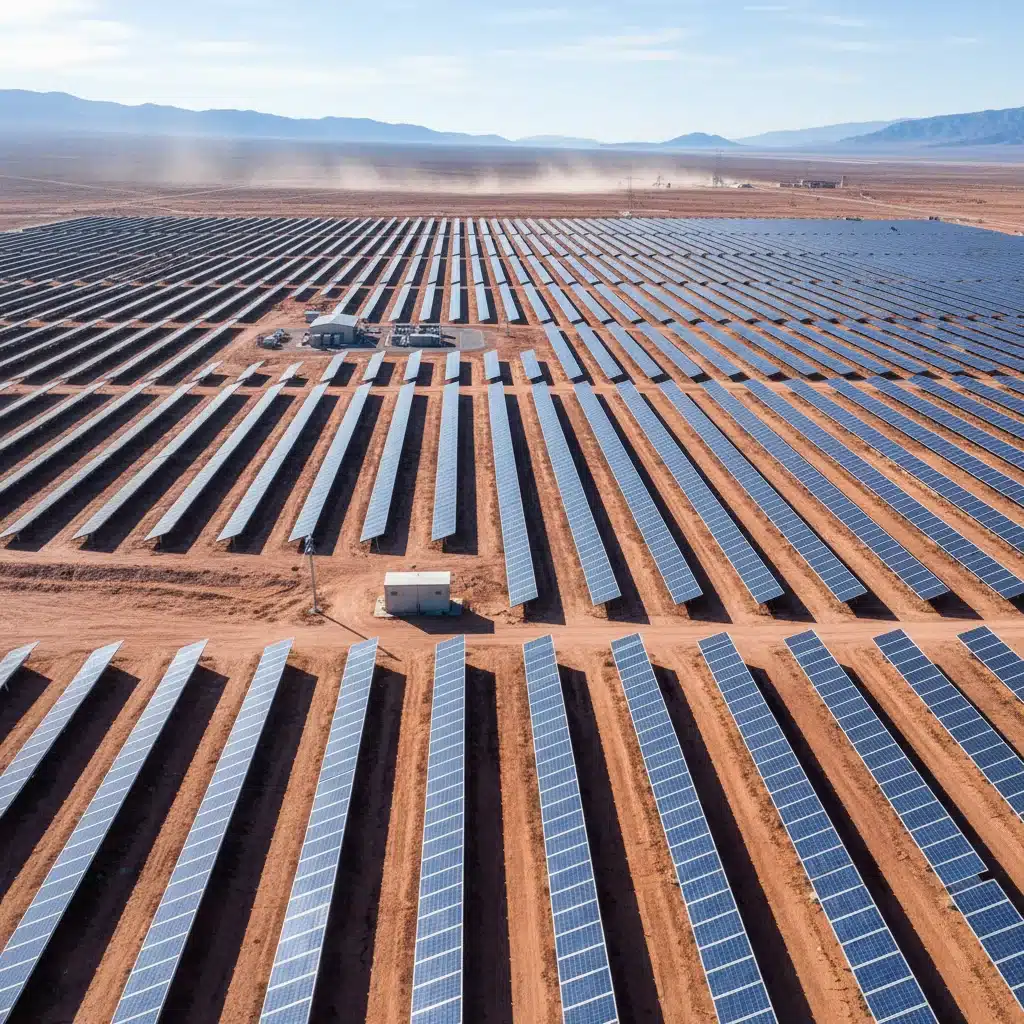
Solar power remains a dominant force in the expansion of US renewable energy. Both utility-scale solar farms and distributed generation (rooftop solar) have contributed substantially to the 10% capacity increase. States with abundant sunshine, such as California, Texas, and Florida, have seen particularly rapid growth, but solar installations are expanding nationwide, even in less sunny regions, thanks to falling costs and improved technology. The integration of battery storage with solar projects is also becoming more commonplace, addressing the intermittency challenge and enhancing grid stability.
Anúncios
The development of community solar projects, which allow multiple subscribers to benefit from a single solar installation, has also broadened access to clean energy for consumers who may not be able to install panels on their own properties. This inclusive approach is accelerating the adoption of solar power and democratizing access to renewable energy benefits across various socio-economic groups. The increasing investment in solar manufacturing within the US also points to a robust domestic supply chain supporting this growth.
Wind Power: Harnessing the Invisible Giant
Wind power continues to be another cornerstone of US renewable energy growth. Large-scale onshore wind farms, particularly in the Midwest and Texas, have consistently added significant capacity to the grid. The development of offshore wind projects, while still in its nascent stages compared to Europe, is gaining considerable momentum along the East and West Coasts. These projects promise to unlock vast renewable energy resources in coastal areas, providing clean power to densely populated regions. The increasing size and efficiency of wind turbines mean that fewer turbines are needed to generate more electricity, reducing the land footprint and improving economic returns.
Policy support for transmission infrastructure is also critical for wind power. As wind farms are often located in remote, windy areas, robust transmission lines are needed to deliver this power to urban load centers. Investments in these grid upgrades are essential for fully realizing the potential of wind energy and integrating it seamlessly into the national power system. The ongoing research and development into advanced materials and aerodynamic designs for wind turbine blades are also contributing to further efficiency gains and cost reductions, ensuring wind’s continued competitiveness in the US renewable energy mix.
The Role of Hydropower, Geothermal, and Biomass
While solar and wind dominate the headlines, other renewable energy sources also contribute to the overall 10% capacity growth. Hydropower, though largely mature in terms of new large-scale installations, continues to provide a significant and reliable baseline of clean electricity. Efforts are focused on upgrading existing hydropower facilities for increased efficiency and flexibility. Geothermal energy, which harnesses the Earth’s internal heat, offers a constant, baseload renewable power source, particularly in western states. Advances in drilling technology are making more geothermal resources accessible.
Biomass, derived from organic matter, also plays a role, especially in regions with abundant agricultural or forestry waste. While its environmental profile can be more complex than other renewables, sustainable biomass practices contribute to waste reduction and energy diversification. The combined contributions of these diverse renewable sources underscore the multifaceted approach the US is taking toward energy transition, leveraging a variety of natural resources to achieve its clean energy goals, thereby strengthening the overall US renewable energy portfolio.
Impact on the National Grid and Energy Infrastructure
The rapid expansion of US renewable energy capacity has significant implications for the national grid and energy infrastructure. Integrating a higher proportion of intermittent renewable sources like solar and wind requires substantial upgrades and modernization of the grid. This includes:
- Grid Modernization: Investing in smart grid technologies, advanced sensors, and digital controls to better manage fluctuating power flows.
- Energy Storage Solutions: The deployment of utility-scale battery storage facilities is crucial for storing excess renewable energy and discharging it when demand is high or when renewable generation is low. This helps balance the grid and ensures reliability.
- Transmission Infrastructure: Building new high-voltage transmission lines to transport renewable energy from remote generation sites to population centers.
- Demand-Side Management: Implementing programs that encourage consumers to shift their energy use to times when renewable energy is abundant and cheaper.
- Flexible Generation: Ensuring that existing conventional power plants can ramp up and down quickly to complement intermittent renewable generation.
These investments are vital for maintaining grid stability and reliability as the share of US renewable energy continues to grow. The challenges are significant, but so are the opportunities for innovation and economic development in the energy sector.
Challenges and Headwinds in Renewable Energy Expansion
Despite the impressive growth, the US renewable energy sector faces several challenges that need to be addressed to sustain this momentum:
- Intermittency: Solar and wind power are dependent on weather conditions, meaning their output can fluctuate. This intermittency requires robust energy storage solutions and flexible grid management.
- Transmission Constraints: As mentioned, getting renewable energy from where it’s generated to where it’s consumed often requires new transmission lines, which can face permitting hurdles, local opposition, and high construction costs.
- Supply Chain Issues and Geopolitical Factors: The global supply chain for components like solar panels and batteries can be vulnerable to disruptions and geopolitical tensions, affecting costs and project timelines.
- Permitting and Siting Challenges: Siting large-scale renewable projects, particularly wind and solar farms, can encounter local opposition related to land use, visual impacts, and environmental concerns.
- Policy Uncertainty: While current policies are favorable, future policy changes at federal or state levels could introduce uncertainty for investors and developers.
- Cybersecurity Risks: A more digitized and interconnected grid, while efficient, also presents new cybersecurity vulnerabilities that must be continuously addressed and protected against.
Addressing these challenges requires a concerted effort from policymakers, industry stakeholders, and communities to ensure a smooth and equitable transition to a clean energy future for the US renewable energy landscape.
Economic Benefits and Job Creation
The growth of US renewable energy is not just an environmental imperative; it’s also a significant economic engine. The sector has been a major source of job creation, spanning manufacturing, installation, operations, maintenance, and research and development. These jobs often offer competitive wages and contribute to local economies, particularly in rural areas where many large-scale projects are located. Furthermore, renewable energy projects can provide stable revenue streams for landowners through leases and tax revenues for local governments, supporting community services.
Reduced reliance on imported fossil fuels also means that more money stays within the domestic economy, fostering greater economic stability. The innovation spurred by the renewable energy sector also creates new industries and technologies, positioning the US as a leader in the global clean energy transition. This economic dynamism is a powerful argument for continued investment and support for US renewable energy.
The Future Outlook for US Renewable Energy
Looking ahead, the trajectory for US renewable energy remains overwhelmingly positive. The momentum from the past 12 months is expected to continue, driven by ongoing technological advancements, declining costs, and sustained policy support. The Biden administration’s ambitious climate goals and infrastructure plans further solidify the commitment to a clean energy future.
Emerging Technologies and Trends:
- Advanced Energy Storage: Beyond lithium-ion batteries, research into flow batteries, solid-state batteries, and long-duration storage solutions will further enhance grid flexibility and reliability.
- Green Hydrogen: The production of hydrogen using renewable electricity (electrolysis) is gaining traction as a potential clean fuel for heavy industry, transportation, and long-term energy storage.
- Offshore Wind Expansion: Continued development of offshore wind projects, particularly along the Atlantic and Pacific coasts, will unlock significant new capacity.
- Carbon Capture and Storage (CCS) with Renewables: While not strictly renewable, CCS technologies integrated with bioenergy or existing industrial processes powered by renewables could play a role in achieving net-zero emissions.
- Enhanced Geothermal Systems (EGS): New techniques to tap into deeper, hotter geothermal resources could expand the geographic reach of this baseload renewable.
- Grid Modernization and Digitization: Continued investment in smart grid technologies, artificial intelligence, and machine learning for optimized energy management will be paramount.
The path forward for US renewable energy involves not just adding more capacity but also building a more intelligent, resilient, and interconnected energy system. Collaboration between government, industry, academia, and local communities will be essential to overcome challenges and fully realize the potential of a clean energy economy. The 10% growth in capacity is a testament to what is achievable and sets a strong precedent for future advancements.
Policy and Regulatory Landscape: Sustaining Growth
The policy and regulatory environment will continue to be a critical factor in sustaining the growth of US renewable energy. Federal policies, such as the Inflation Reduction Act (IRA), have provided unprecedented long-term incentives for clean energy deployment and manufacturing. These policies offer stability and predictability for investors, which are crucial for large-scale infrastructure projects. State-level policies, including renewable portfolio standards (RPS) and clean energy mandates, also play a vital role in setting targets and creating market demand for renewables.
Beyond direct incentives, regulatory frameworks that streamline permitting processes, facilitate inter-state transmission development, and ensure fair market access for renewable energy generators are equally important. Addressing potential trade barriers and ensuring a robust domestic supply chain for critical components will also bolster the sector’s resilience. The ongoing dialogue between stakeholders to refine and adapt these policies will be key to navigating future challenges and maximizing the benefits of the US renewable energy transition.
Community Engagement and Environmental Justice
As the US renewable energy sector expands, ensuring equitable development and community engagement becomes increasingly important. Projects must be developed in a manner that respects local communities, minimizes environmental impacts, and provides tangible benefits to all residents, especially those in historically disadvantaged areas. This includes transparent communication, robust environmental impact assessments, and opportunities for local job creation and ownership.
Environmental justice considerations are paramount. It’s crucial to ensure that the benefits of clean energy, such as cleaner air and lower energy bills, are accessible to everyone, and that the burdens of energy infrastructure development are not disproportionately placed on vulnerable communities. Integrating community feedback into project planning and development is essential for fostering trust and ensuring that the clean energy transition is truly just and inclusive for all Americans, thereby solidifying the social license for continued US renewable energy growth.
Conclusion: A Decade of Transformation for US Renewable Energy
The 10% growth in US renewable energy capacity over the past 12 months is a powerful indicator of a sector poised for continued expansion and innovation. It reflects a confluence of technological breakthroughs, supportive policies, economic advantages, and a growing societal commitment to sustainability. While challenges related to grid integration, transmission, and supply chains persist, the industry’s resilience and ingenuity suggest that these hurdles can be overcome.
The future of US renewable energy is bright, promising not only a cleaner environment but also enhanced energy security, significant economic opportunities, and a more resilient energy infrastructure. As the nation continues its journey towards a decarbonized future, the lessons learned and the successes achieved in the past year will undoubtedly serve as a blueprint for even greater advancements in the years to come. The transition is not just underway; it’s accelerating, and the impact will be felt for generations.