Navigating Special Education Services in the US: 2026 Guide
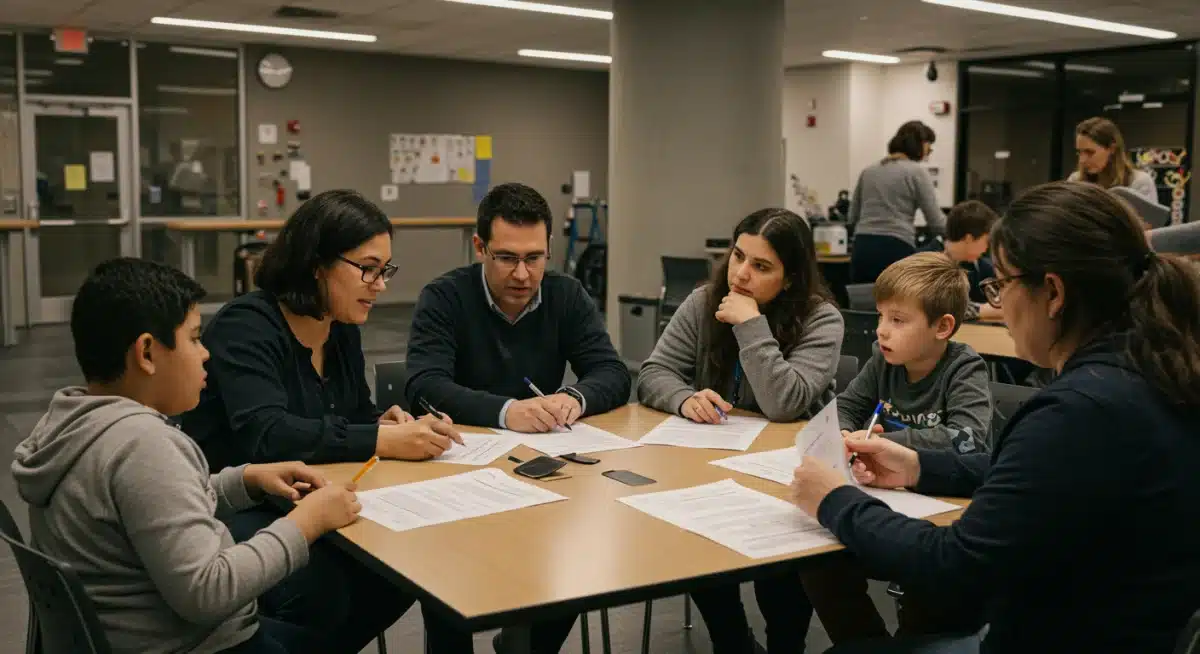
Effectively navigating special education services in the US requires parents to understand their legal rights and available resources to ensure their child receives appropriate support and accommodations for academic success.
For parents of children with special needs, understanding and accessing appropriate educational support can feel like a daunting journey. This comprehensive guide aims to simplify the process of navigating special education services in the US, offering clarity on parental rights and available resources for 2026 and beyond. By understanding the system, parents can become effective advocates for their child’s educational future.
Understanding your fundamental rights in special education
In the United States, parents of children with disabilities are afforded significant legal protections and rights under federal law, primarily the Individuals with Disabilities Education Act (IDEA). These rights are designed to ensure that all children with disabilities have access to a free appropriate public education (FAPE) tailored to their unique needs. Understanding these fundamental rights is the first step toward effective advocacy.
IDEA outlines specific procedural safeguards that protect parents and their children. These safeguards ensure that parents have a voice in their child’s education and that schools are accountable for providing the necessary services. Knowing these rights empowers parents to participate meaningfully in decision-making processes.
Key parental rights under IDEA
- Right to participate: Parents have the right to be active participants in all meetings concerning their child’s identification, evaluation, educational placement, and the provision of FAPE.
- Right to informed consent: Schools must obtain parental consent before conducting an initial evaluation or reevaluation, and before providing initial special education services.
- Right to prior written notice: Parents must receive written notice from the school before any proposed action or refusal to act regarding the identification, evaluation, or educational placement of their child, or the provision of FAPE.
- Right to access educational records: Parents have the right to inspect and review all educational records related to their child without unnecessary delay.
These rights form the bedrock of parental involvement in special education. They ensure transparency and provide mechanisms for parents to challenge decisions they believe are not in their child’s best interest. It’s crucial for parents to familiarize themselves with these safeguards and not hesitate to exercise them when necessary.
The importance of these legal frameworks cannot be overstated. They are not merely guidelines but enforceable laws that mandate specific actions from educational institutions. By understanding and asserting these rights, parents can ensure their child receives the individualized attention and support essential for their development and academic success. This foundational knowledge is critical for navigating the complexities of the special education system effectively in the US.
The IEP vs. 504 plan: what’s the difference?
When a child requires special educational support, parents often encounter two primary frameworks: the Individualized Education Program (IEP) and the 504 Plan. While both aim to provide accommodations for students with disabilities, they originate from different federal laws and offer distinct types of support. Understanding these differences is vital for determining which plan best suits a child’s needs.
An IEP is governed by the Individuals with Disabilities Education Act (IDEA), specifically designed for students who need specialized instruction and related services to access the general education curriculum. A 504 Plan, conversely, falls under Section 504 of the Rehabilitation Act of 1973, which prohibits discrimination against individuals with disabilities. It ensures that students with disabilities have equal access to educational programs and services, even if they don’t require specialized instruction.
Individualized education program (IEP)
An IEP is a legally binding document developed for each public school child who needs special education. It details the child’s present levels of academic achievement and functional performance, annual goals, special education and related services, and the extent to which the child will participate with non-disabled children. Eligibility for an IEP is determined through a comprehensive evaluation process that identifies one or more of the 13 disability categories listed under IDEA.
- Focus: Specialized instruction and related services.
- Legal basis: Individuals with Disabilities Education Act (IDEA).
- Eligibility: Child must have one of 13 specific disabilities that adversely affects educational performance.
- Content: Includes annual goals, services, accommodations, and modifications.
504 plan
A 504 Plan provides accommodations and modifications to ensure a student with a disability has access to the school environment and its educational programs. Unlike an IEP, a 504 Plan does not require a student to fit into a specific disability category or to need specialized instruction. Instead, it covers any student with a physical or mental impairment that substantially limits one or more major life activities, such as learning, walking, or breathing.
- Focus: Accommodations and modifications for equal access.
- Legal basis: Section 504 of the Rehabilitation Act of 1973.
- Eligibility: Child has a physical or mental impairment that substantially limits a major life activity.
- Content: Outlines necessary accommodations (e.g., extended time, preferential seating).
The choice between an IEP and a 504 Plan hinges on the nature and extent of the child’s needs. If a child requires specialized instruction due to a disability, an IEP is typically the appropriate path. If the child can succeed in general education with accommodations to address a disability that impacts a major life activity, a 504 Plan is usually sufficient. Parents should work closely with school professionals to assess their child’s specific requirements and determine the most suitable plan.
The evaluation process: getting your child assessed
The journey to securing special education services often begins with a formal evaluation. This critical step determines whether a child has a disability and, if so, what special education and related services are necessary. Parents play an integral role throughout this process, from requesting an evaluation to understanding its results.
Parents can initiate an evaluation by submitting a written request to their child’s school. Schools also have a responsibility to identify, locate, and evaluate children who may need special education services, a duty known as ‘Child Find.’ Once a request is made or the school identifies a concern, federal law mandates specific timelines for completing the evaluation and holding subsequent meetings.
Steps in the evaluation process
- Referral: Parents, teachers, or other school personnel can refer a child for evaluation. A written request from parents is often the most direct way to initiate the process.
- Parental consent: Before any evaluation can occur, the school must obtain informed written consent from the parents. Parents have the right to refuse consent, though this may delay access to services.
- Comprehensive assessment: The evaluation must be comprehensive, utilizing a variety of assessment tools and strategies to gather relevant functional, developmental, and academic information. It should not rely on any single procedure as the sole criterion for determining eligibility.
- Eligibility determination: A team of qualified professionals, including the parents, reviews the evaluation results to determine if the child has a disability and requires special education and related services.
The evaluation must be conducted by a multidisciplinary team, which may include school psychologists, special education teachers, speech-language pathologists, occupational therapists, and other specialists. This ensures a holistic view of the child’s strengths and challenges. The results of this evaluation form the basis for developing an individualized education program (IEP) or a 504 Plan.
Understanding the evaluation process is paramount for parents. It ensures that their child receives a fair and thorough assessment, leading to an accurate determination of needs. Parents should actively participate, ask questions, and seek clarification on any aspect of the evaluation that is unclear. This proactive engagement helps ensure that the subsequent educational plan is truly individualized and appropriate for their child.
Advocating effectively for your child’s needs
Once a child has been identified as needing special education services, effective advocacy becomes an ongoing process. Parents are their child’s most important advocates, and their active participation can significantly impact the quality and appropriateness of the services received. Advocacy involves staying informed, communicating effectively, and knowing when to seek additional support.
Building a collaborative relationship with the school team is often the most effective approach. However, parents must also be prepared to assert their rights and challenge decisions when they believe their child’s needs are not being adequately met. This balance requires both diplomacy and firm resolve.
Strategies for effective advocacy
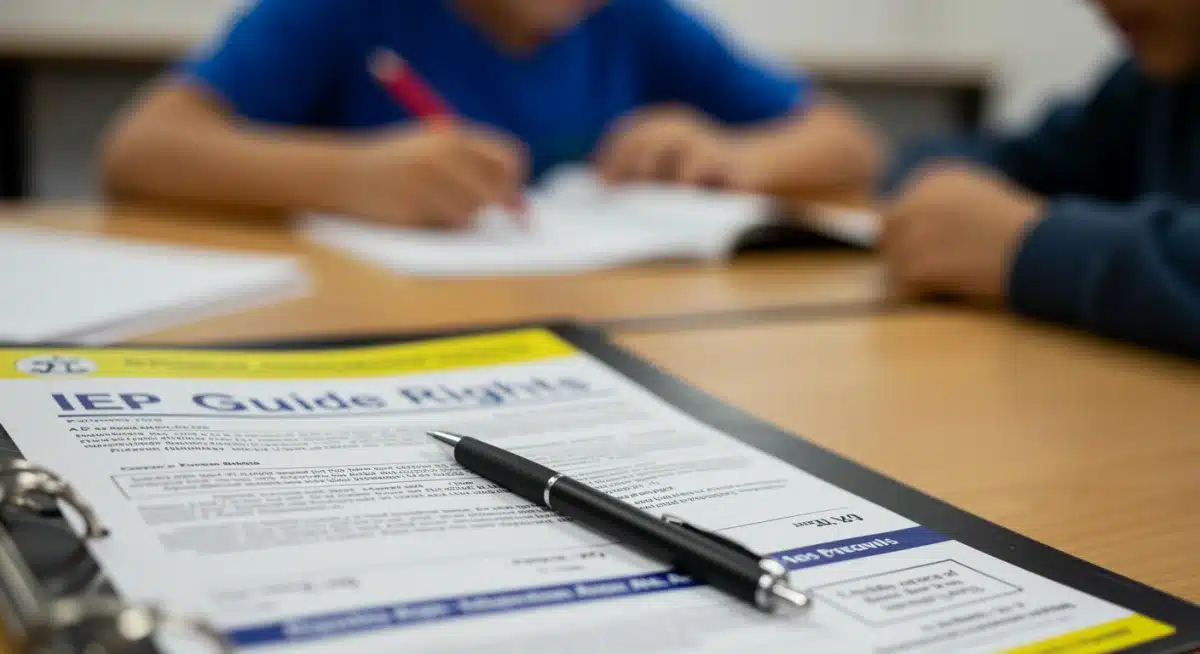
- Stay organized: Maintain a well-organized binder or digital folder with all relevant documents, including evaluations, IEPs/504 Plans, correspondence with the school, and progress reports.
- Communicate clearly and respectfully: Express concerns and suggestions clearly, concisely, and respectfully. Document all communications, especially important discussions and agreements.
- Educate yourself: Continuously learn about special education law, your child’s specific disability, and best practices in education. Knowledge is power in advocacy.
- Prepare for meetings: Before IEP or 504 meetings, review all documents, prepare a list of questions, and outline your child’s strengths, challenges, and proposed goals.
- Bring support: Consider bringing another trusted adult (e.g., a spouse, friend, or advocate) to meetings for support, to take notes, and to help process information.
Knowing your options for dispute resolution is also a critical aspect of advocacy. If disagreements arise that cannot be resolved through informal discussions, parents have several formal avenues, including mediation, due process hearings, and state complaints. These mechanisms are in place to ensure that schools comply with federal special education laws.
Ultimately, effective advocacy means being a persistent and informed voice for your child. It’s about ensuring that the educational system responds to their unique needs and provides the opportunities they deserve to thrive. Parents should never feel alone in this process; numerous resources and support networks are available to assist them.
Leveraging technology and accessible learning tools
In 2026, technology plays an increasingly pivotal role in enhancing special education services, offering innovative solutions for students with diverse learning needs. Accessible learning tools and assistive technologies can significantly bridge gaps, providing students with disabilities greater independence and opportunities to engage with the curriculum in ways previously unimaginable. Parents should explore and advocate for the integration of these tools into their child’s educational plan.
Assistive technology (AT) can range from simple, low-tech devices to complex, high-tech software and hardware. The goal of AT is to help students with disabilities perform tasks that might otherwise be difficult or impossible, thereby improving their functional capabilities and access to education. Schools are often responsible for providing AT devices and services as part of a child’s IEP if the team determines they are necessary.
Examples of accessible learning tools
- Text-to-speech and speech-to-text software: These tools assist students with reading and writing difficulties, allowing them to hear written text or to dictate their thoughts for transcription.
- Augmentative and alternative communication (AAC) devices: For students with communication challenges, AAC devices provide various methods, from picture boards to sophisticated electronic devices, to express themselves.
- Specialized computer hardware and software: This includes adaptive keyboards, screen readers, magnifiers, and educational software designed for specific learning disabilities.
- Digital textbooks and accessible digital content: Many educational materials are now available in formats that can be adapted for students with visual impairments, dyslexia, or other print disabilities.
The rapid advancement of technology means that new tools and resources are constantly emerging. Parents should actively research these innovations and discuss potential applications with the IEP team. Training for both the student and educators on how to effectively use these technologies is also crucial for successful implementation.
By effectively leveraging technology, schools can create more inclusive learning environments and provide personalized support that addresses the unique requirements of each student. Parents are key in advocating for the assessment and provision of appropriate assistive technologies, ensuring their child benefits from the full range of modern educational resources available.
Connecting with support networks and community resources
Navigating special education services in the US can be a complex and emotionally demanding process for parents. Fortunately, a wealth of support networks and community resources exists to provide guidance, information, and emotional sustenance. Connecting with these groups can offer invaluable assistance, from understanding legal nuances to sharing experiences with other parents facing similar challenges.
These networks can serve as vital lifelines, offering practical advice, emotional support, and opportunities for advocacy. They often provide workshops, conferences, and online forums where parents can learn, share, and find strength in numbers. Building a strong support system is not just beneficial for parents but also indirectly benefits the child, as well-supported parents are better advocates.
Types of support networks and resources
- Parent advocacy groups: Organizations focused on specific disabilities or general special education advocacy provide resources, training, and sometimes even direct advocacy support. Examples include the Council of Parent Attorneys and Advocates (COPAA) and state-specific parent information centers.
- Online communities and forums: Platforms where parents can connect, share experiences, ask questions, and offer advice. These can be particularly helpful for parents in rural areas or those with rare disabilities.
- Local school district resources: Many school districts offer parent resource centers, workshops, or dedicated staff members to assist parents of children with special needs.
- Non-profit organizations: Numerous non-profits focus on specific disabilities (e.g., Autism Speaks, National Down Syndrome Society) and provide extensive information, research updates, and family support services.
- Therapy and counseling services: Professional support for parents and families can help manage the stress and emotional challenges associated with raising a child with special needs.
Beyond direct support, these networks often play a crucial role in broader advocacy efforts, influencing policy changes and improving special education services at local, state, and national levels. By participating in these groups, parents not only gain personal support but also contribute to a larger movement for inclusive education.
Actively seeking out and engaging with these resources can transform the special education journey from an isolating experience into a shared and empowered one. Parents should not hesitate to reach out, knowing that a community of support is available to help them and their children thrive.
Planning for transitions: from early intervention to adulthood
Special education is not a static journey; it involves several critical transitions as a child grows. From early intervention services to elementary school, middle school, high school, and eventually to post-secondary education or vocational training, each phase presents unique challenges and opportunities. Effective planning for these transitions is crucial to ensure continuity of support and successful outcomes for the child.
Transition planning legally begins no later than the first IEP in effect when the child turns 16, or younger if determined appropriate by the IEP team. However, proactive parents often start thinking about transitions much earlier. This forward-thinking approach helps in developing long-term goals and ensuring that the necessary skills and supports are in place as the child moves through different educational stages and into adulthood.
Key transition points and considerations
- Early intervention to preschool: For children under three, services are provided under Part C of IDEA. Around age three, children transition to Part B services, typically involving a preschool IEP. This transition requires careful planning between early intervention providers and the school district.
- Elementary to middle school: This involves adjusting to a new school environment, more teachers, and increased academic demands. The IEP team should discuss strategies for managing these changes, such as organizational skills training or social-emotional support.
- Middle school to high school: Focus shifts towards preparing for graduation and post-secondary life. Transition services become a formal component of the IEP, addressing academic, vocational, and independent living skills.
- High school to post-secondary/adulthood: This is arguably the most significant transition, involving college, vocational training, employment, independent living, and self-advocacy. The IEP must include measurable post-secondary goals and transition services to help the student achieve them.
During transition planning, the IEP team, including the student (when appropriate), should identify specific goals and services related to education, employment, and independent living. This might involve career counseling, job training, self-advocacy instruction, and connections to adult service agencies.
The goal of transition planning is to empower students with disabilities to achieve their full potential as adults. Parents play a crucial role in ensuring that these plans are comprehensive, individualized, and align with their child’s aspirations. Proactive engagement in transition planning helps lay a solid foundation for a successful and fulfilling life beyond K-12 education.
| Key Aspect | Brief Description |
|---|---|
| Parental Rights (IDEA) | Ensures parents’ active participation, informed consent, and access to records in their child’s special education journey. |
| IEP vs. 504 Plan | IEP provides specialized instruction under IDEA; 504 Plan offers accommodations for equal access under Section 504. |
| Effective Advocacy | Staying organized, communicating respectfully, educating oneself, and preparing for meetings are key for parental advocacy. |
| Transition Planning | Preparing students for successful transitions from early intervention through adulthood, focusing on education, employment, and independent living. |
Frequently asked questions about special education services
IDEA is a federal law ensuring that all children with disabilities have access to a free appropriate public education (FAPE) tailored to their unique needs. It mandates special education and related services for eligible students, protecting their rights and promoting parent involvement in the educational process.
You can request an evaluation by submitting a written letter to your child’s school principal or special education director. Clearly state your concerns about your child’s development or academic performance and request a comprehensive evaluation to determine eligibility for special education.
Yes, if a student with a 504 Plan is found to require specialized instruction and related services due to their disability impacting their educational performance, they may become eligible for an IEP. This requires a full evaluation process under IDEA to determine eligibility for special education services.
Parents have several dispute resolution options, including mediation, filing a state complaint, or requesting a due process hearing. These procedural safeguards under IDEA ensure that parents can challenge decisions they believe are not appropriate for their child’s educational needs.
While IDEA primarily covers K-12 education, transition services within an IEP prepare students for post-secondary education, employment, and independent living. Beyond high school, adults with disabilities can access support through vocational rehabilitation services, adult education programs, and other community resources.
Conclusion
Navigating the landscape of special education services in the US requires dedication, knowledge, and persistent advocacy from parents. By understanding fundamental rights under IDEA, differentiating between IEPs and 504 Plans, actively participating in the evaluation process, and leveraging available resources, parents can ensure their children receive the tailored support needed to thrive. The journey is continuous, extending from early intervention through adulthood, emphasizing the importance of proactive planning and strong support networks. Empowering parents with this information is crucial for fostering an inclusive and effective educational experience for every child with special needs.