The Supplemental Nutrition Assistance Program (SNAP), a cornerstone of federal assistance designed to combat food insecurity, is poised for significant transformations in 2026. These upcoming SNAP Benefit Changes 2026 are not merely minor adjustments; they represent a comprehensive overhaul that is projected to impact over 3 million households nationwide. Understanding these changes is paramount for current beneficiaries, potential applicants, and indeed, anyone concerned with the welfare of vulnerable populations. This in-depth guide will dissect the proposed modifications, explain their potential ramifications, and provide actionable insights to help you navigate the evolving landscape of food assistance.
For millions of Americans, SNAP benefits are a lifeline, providing crucial support to put food on the table. The program’s effectiveness hinges on its ability to adapt to economic realities and the diverse needs of its recipients. The 2026 revisions aim to enhance this adaptability, focusing on updated eligibility criteria and potentially increased allowances designed to better reflect the true cost of living and nutritional needs. However, with change comes complexity, and it is vital for affected households to be well-informed to ensure continued access to these essential resources.
The impetus behind these forthcoming changes stems from a combination of factors, including evolving economic indicators, public health considerations, and a continuous effort to streamline program administration. Policymakers are striving to strike a delicate balance: expanding access to those who need it most while ensuring fiscal responsibility and program integrity. This article will delve into the specifics of these reforms, offering a clear and concise breakdown of what to expect.
Anúncios
Understanding the Core of SNAP Benefit Changes 2026
The upcoming SNAP Benefit Changes 2026 are multifaceted, touching upon several key areas of the program. At their heart, these changes seek to refine who qualifies for assistance and how much assistance they receive. The primary goals appear to be increasing the program’s responsiveness to economic hardship, simplifying application processes where possible, and ensuring that benefit levels are adequate to meet nutritional needs in a contemporary economic climate.
Revised Eligibility Criteria: Who Qualifies Now?
One of the most significant aspects of the SNAP Benefit Changes 2026 will be the modifications to eligibility criteria. Currently, eligibility for SNAP is primarily determined by a household’s gross and net income, alongside asset limits. While the fundamental principles are expected to remain, the thresholds themselves are likely to be adjusted. These adjustments could include:
Anúncios
- Updated Income Thresholds: The federal poverty level (FPL) is a key benchmark for SNAP eligibility. As the FPL is updated annually, the 2026 changes may incorporate more recent economic data to set more realistic income limits. This could mean a slight increase in the income ceiling, potentially allowing more low-income working families to qualify.
- Asset Limit Revisions: For many years, asset limits have been a point of contention, with critics arguing they can penalize families for saving modest amounts for emergencies. The 2026 changes might see an increase in the allowable asset limits, particularly for households with elderly or disabled members, or even a complete overhaul for certain categories of applicants. This would be a welcome change for many, allowing them to retain a small safety net without jeopardizing their food assistance.
- Expanded Deductions: SNAP calculations allow for certain deductions from a household’s gross income to arrive at their net income. These can include deductions for housing costs, medical expenses (for elderly/disabled members), and child care. The 2026 reforms may introduce new types of deductions or increase the caps on existing ones, effectively lowering a household’s countable income and making them eligible for higher benefits or initial qualification.
- Work Requirements and Exemptions: While work requirements are a perennial topic of debate, the 2026 changes could refine the rules surrounding able-bodied adults without dependents (ABAWDs). There might be new exemptions or clearer pathways for individuals to meet these requirements through training or volunteer work, aiming to reduce barriers to participation while still encouraging self-sufficiency.
- State-Specific Flexibilities: While SNAP is a federal program, states have some flexibility in its administration. The 2026 changes might grant states greater latitude in tailoring certain eligibility aspects to their unique economic and demographic landscapes, potentially leading to varied impacts across different regions.
These revisions are not arbitrary; they are the result of extensive research, public commentary, and economic modeling. The goal is to ensure that the program effectively targets those most in need, while also adapting to the dynamic economic environment of the mid-2020s.
Increased Allowances: What Does This Mean for Your Budget?
Beyond eligibility, the other major component of the SNAP Benefit Changes 2026 pertains to the actual benefit amounts, or allowances, that households receive. The adequacy of SNAP benefits has been a persistent concern, with many arguing that current levels do not fully cover the cost of a healthy, balanced diet, especially in areas with high food prices. The 2026 changes aim to address this directly.
Factors Influencing Higher Benefit Amounts
Several factors are expected to contribute to potentially increased allowances:
- Thrifty Food Plan Reevaluation: The Thrifty Food Plan (TFP) is the USDA’s model for a low-cost, nutritious diet for a family of four, and it forms the basis for calculating SNAP benefits. The TFP was significantly updated in 2021, leading to a substantial increase in average benefits. The 2026 changes may involve another reevaluation or a more frequent adjustment mechanism to ensure the TFP accurately reflects current food costs and dietary guidelines. This could mean a further uplift in benefit amounts, helping families afford a wider variety of healthy foods.
- Inflation Adjustments: The cost of living, particularly food prices, has been subject to significant inflationary pressures. The 2026 changes are likely to include more robust and timely inflation adjustments to SNAP benefits, preventing their purchasing power from eroding over time. This would provide greater stability and predictability for recipient households.
- Geographic Cost-of-Living Indexes: While not confirmed, there has been discussion about incorporating geographic cost-of-living differences into SNAP benefit calculations. This could mean that households in high-cost-of-living areas might receive slightly higher benefits to compensate for the increased expense of food in their regions. This would be a significant shift, acknowledging the diverse economic landscapes across the country.
- Specialized Allowances: There might be provisions for specialized allowances for certain vulnerable populations, such as households with very young children, individuals with specific dietary needs (e.g., celiac disease, diabetes), or those living in food deserts where access to affordable, nutritious food is limited. These targeted increases would aim to address unique challenges faced by these groups.
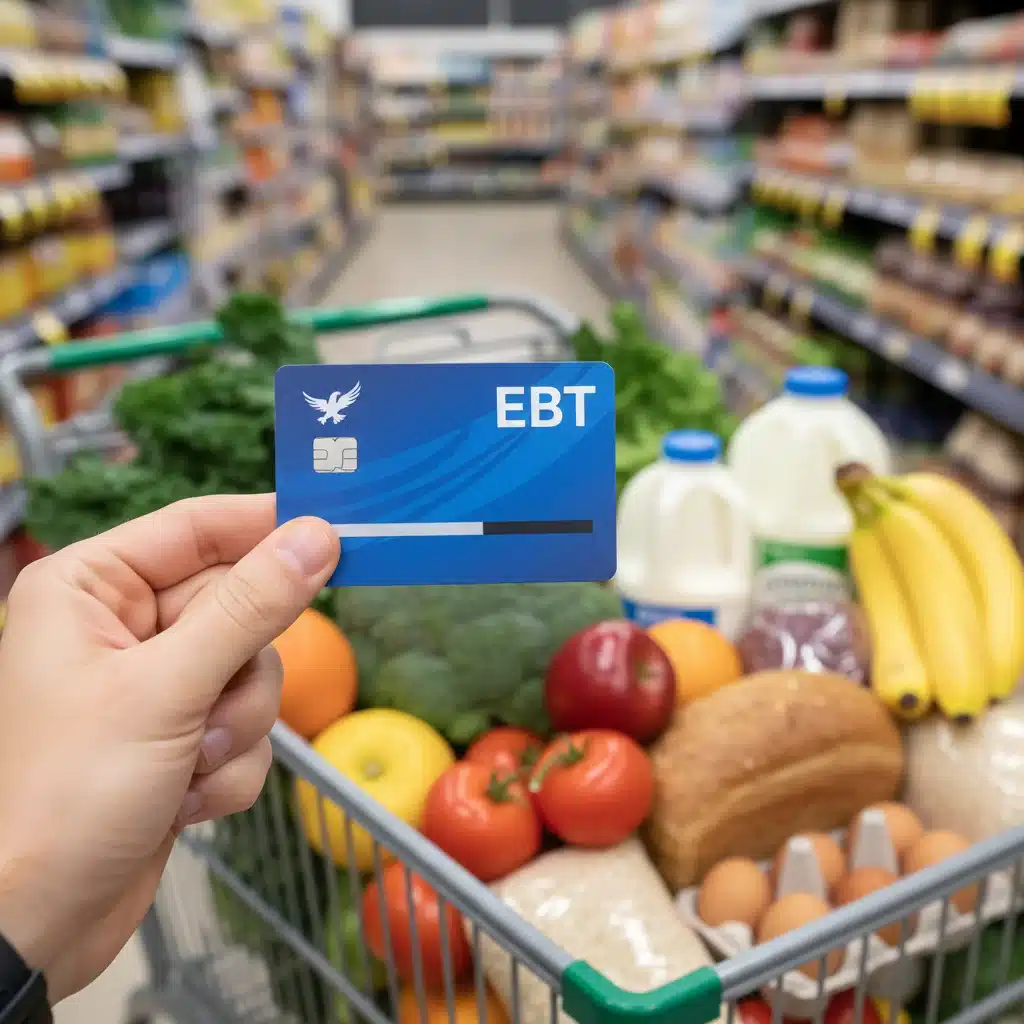
For the 3 million households projected to be impacted, these increased allowances could translate into more purchasing power at grocery stores, leading to improved food security and better nutritional outcomes. It could also reduce the reliance on food banks and other emergency food assistance services, allowing those resources to be directed elsewhere.
Who Will Be Most Affected by the 2026 Changes?
While the SNAP Benefit Changes 2026 are broad, certain demographics and household types are expected to experience a more pronounced impact. Understanding these specific effects is crucial for targeted outreach and support.
Low-Income Working Families
Many of the proposed changes, particularly those related to increased income thresholds and expanded deductions, are likely to benefit low-income working families. These families often find themselves in a challenging position, earning just enough to be marginally above current eligibility limits but still struggling to afford adequate food. The 2026 reforms could bring many of these ‘near-poor’ households into the SNAP fold or increase the benefits for those already receiving minimal assistance, providing a much-needed boost to their monthly food budget.
Elderly and Disabled Individuals
Households with elderly or disabled members often face unique financial burdens, including high medical costs and limited fixed incomes. The potential increase in asset limits and expanded medical expense deductions would be particularly beneficial for these groups. It would allow them to maintain a small amount of savings for emergencies without fear of losing their food assistance, and better account for the significant healthcare expenses they often incur.
Households in High-Cost-of-Living Areas
If geographic cost-of-living adjustments are implemented, households residing in expensive urban centers or regions with elevated food prices would see a noticeable increase in their benefits. This would help to equalize the purchasing power of SNAP dollars across different parts of the country, addressing a long-standing disparity.
Families with Children
Given the importance of nutrition for child development, any increase in general allowances or the introduction of specialized allowances for young children would directly benefit families with dependents. Improved food security for children can lead to better health outcomes, improved academic performance, and long-term societal benefits.
Navigating the New Landscape: What You Need to Do
As the SNAP Benefit Changes 2026 draw closer, proactive steps will be essential for current and potential beneficiaries. Staying informed and preparing for these modifications can ensure a smooth transition and continued access to vital food assistance.
Stay Informed Through Official Channels
The most reliable information regarding the 2026 changes will come from official sources. Regularly check the website of the U.S. Department of Agriculture (USDA) Food and Nutrition Service (FNS) and your state’s SNAP agency. These platforms will provide detailed updates, FAQs, and specific implementation timelines. Avoid relying solely on unofficial news sources or social media for critical information.
Review Your Household’s Eligibility
Even if you are currently receiving SNAP benefits, it’s a good idea to re-evaluate your household’s eligibility against the new criteria once they are officially released. If you were previously deemed ineligible but are close to the income or asset limits, the updated thresholds in 2026 might make you eligible. Similarly, if your household’s circumstances have changed, understanding the new rules will be crucial.
Gather Necessary Documentation
The application and recertification processes for SNAP require various documents to verify income, assets, household composition, and expenses. As new deductions or criteria are introduced, the types of documentation required might also subtly shift. Begin gathering or organizing documents such as pay stubs, bank statements, utility bills, medical expense receipts, and identification for all household members. Being prepared will expedite your application or recertification process.
Attend Informational Webinars and Workshops
>
Many state SNAP agencies, community organizations, and non-profits will likely host informational webinars, workshops, or public forums closer to 2026. These events can provide invaluable opportunities to learn directly from experts, ask specific questions, and receive personalized guidance. Make an effort to participate in these resources if they are available in your area.
Seek Assistance from Local Support Organizations
If you find the application process or understanding the changes overwhelming, don’t hesitate to seek help. Local food banks, community action agencies, and social service organizations often have staff trained to assist individuals with SNAP applications and provide guidance on eligibility. They can offer one-on-one support and help you navigate bureaucratic hurdles.
Broader Implications of the 2026 SNAP Changes
The impact of the SNAP Benefit Changes 2026 extends far beyond individual households. These reforms have broader implications for public health, local economies, and the overall fight against poverty.
Public Health and Nutrition
Increased SNAP benefits and expanded access are directly linked to improved public health outcomes. When families have sufficient resources to purchase nutritious food, they are less likely to suffer from diet-related diseases, such as obesity, diabetes, and heart disease. Children, in particular, benefit from consistent access to healthy meals, which supports their physical and cognitive development. The 2026 changes could lead to a healthier population and reduced healthcare costs in the long run.
Economic Stimulus
SNAP benefits are spent directly in local grocery stores and farmers’ markets, acting as a powerful economic stimulus. Every dollar in SNAP benefits generates additional economic activity, supporting jobs in the retail food sector, agriculture, and related industries. The projected increase in benefits and beneficiaries in 2026 could inject billions of dollars into local economies, providing a boost to businesses and communities.
Poverty Reduction
By ensuring that more low-income families have access to food, SNAP plays a critical role in poverty reduction. The 2026 changes, particularly those expanding eligibility and increasing allowances, are expected to lift more individuals and families out of poverty and reduce the depth of poverty for others. This aligns with broader national goals of fostering economic opportunity and reducing inequality.
Reduced Strain on Emergency Food Systems
When SNAP benefits are adequate and accessible, the demand on emergency food systems, such as food banks and pantries, tends to decrease. This allows these valuable community resources to focus on other critical services or to provide more specialized assistance to those with unique needs. The 2026 reforms could alleviate some of the pressure on these charitable organizations, creating a more robust and resilient food security network.
Potential Challenges and Considerations
While the SNAP Benefit Changes 2026 are largely aimed at improving the program, it is also important to acknowledge potential challenges and considerations that may arise during implementation.
Administrative Burden
Any significant overhaul of a federal program can create an administrative burden for state agencies responsible for its implementation. Training staff on new rules, updating IT systems, and processing a potentially higher volume of applications will require resources and careful planning. Delays in implementation or processing could temporarily affect beneficiaries.
Public Awareness and Education
Ensuring that the 3 million affected households, and many more potential beneficiaries, are fully aware of the changes and how to navigate them will be a significant undertaking. Effective public awareness campaigns will be crucial to prevent eligible individuals from missing out on benefits due to lack of information.
Funding and Political Landscape
The sustained success of these changes will depend on consistent federal funding and continued political support. Future economic conditions and shifts in policy priorities could influence the long-term trajectory of the reforms. Advocacy groups and beneficiaries will need to remain engaged to ensure the program’s integrity and effectiveness.
Despite these potential challenges, the overall sentiment surrounding the SNAP Benefit Changes 2026 is one of cautious optimism. The reforms represent a concerted effort to modernize and strengthen a vital program, ensuring it continues to serve its intended purpose effectively.
Conclusion: Preparing for a New Era of Food Assistance
The forthcoming SNAP Benefit Changes 2026 mark a significant moment in the history of federal food assistance. With revised eligibility criteria and potentially increased allowances, these reforms are set to reshape how millions of low-income households access nutritious food. For the over 3 million households projected to be impacted, these changes offer the promise of enhanced food security, improved health outcomes, and a greater sense of stability.
As we approach 2026, the emphasis for beneficiaries and support organizations alike must be on proactive engagement and informed action. Staying abreast of official announcements, understanding the new rules, and preparing necessary documentation will be key to navigating this evolving landscape successfully. The ultimate goal of these changes is to create a more responsive, equitable, and effective SNAP program that truly serves as a safety net for those who need it most, fostering a healthier and more food-secure nation.
By understanding and adapting to these pivotal changes, we can collectively work towards a future where every individual has consistent access to the nutritious food they need to thrive.