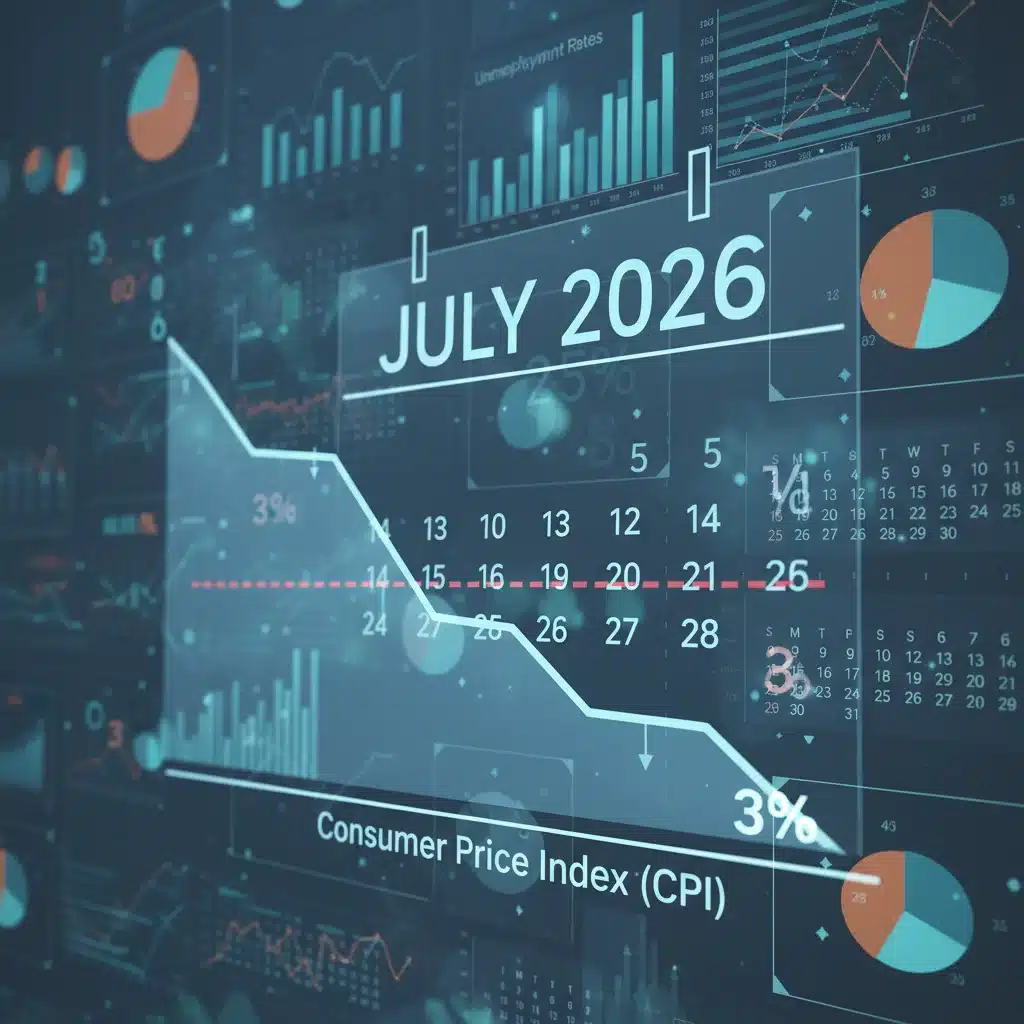
Inflation Outlook: CPI Projected to Stabilize Below 3% by Mid-2026
Anúncios
The global economy has been on a roller coaster ride over the past few years, experiencing unprecedented supply chain disruptions, geopolitical tensions, and shifts in consumer demand. These factors have significantly influenced inflation, making the Consumer Price Index (CPI) a focal point for economists, policymakers, and the general public. As we navigate the complexities of the current economic landscape, a crucial question emerges: when will inflation stabilize, and at what level? Recent projections offer a beacon of hope, indicating that the CPI is expected to stabilize below 3% by mid-2026. This article will delve into the intricacies of this CPI inflation outlook, exploring the driving forces behind this projection, the potential challenges, and the implications for various stakeholders.
Understanding the CPI is fundamental to comprehending inflation. The CPI measures the average change over time in the prices paid by urban consumers for a market basket of consumer goods and services. It is a key indicator of inflation and deflation, providing insights into the purchasing power of money. A stable CPI below 3% is generally considered a healthy target for many developed economies, balancing economic growth with price stability. Higher inflation erodes purchasing power, while deflation can stifle economic activity.
Decoding the Current CPI Landscape
Before we look to the future, it’s essential to understand the journey that led us to the current inflation environment. The post-pandemic economic recovery, fueled by robust fiscal and monetary stimulus, initially propelled demand beyond supply capabilities. This imbalance, coupled with persistent supply chain bottlenecks, particularly in sectors like semiconductors and energy, resulted in a significant surge in consumer prices.
Energy prices, a volatile component of the CPI, saw substantial increases due to geopolitical events and increased global demand. Food prices, affected by weather patterns, labor shortages, and transportation costs, also contributed significantly to the inflationary pressures. Housing costs, including rent and owners’ equivalent rent, which represent a substantial portion of the CPI basket, have also seen sustained increases, further pushing the overall index upwards.
Labor market dynamics have also played a pivotal role. A tight labor market, characterized by low unemployment rates and rising wages, can contribute to inflation as businesses pass on higher labor costs to consumers. While wage growth is beneficial for workers, excessive wage-price spirals can entrench inflationary expectations, making it harder for central banks to bring inflation down to target levels.
Anúncios
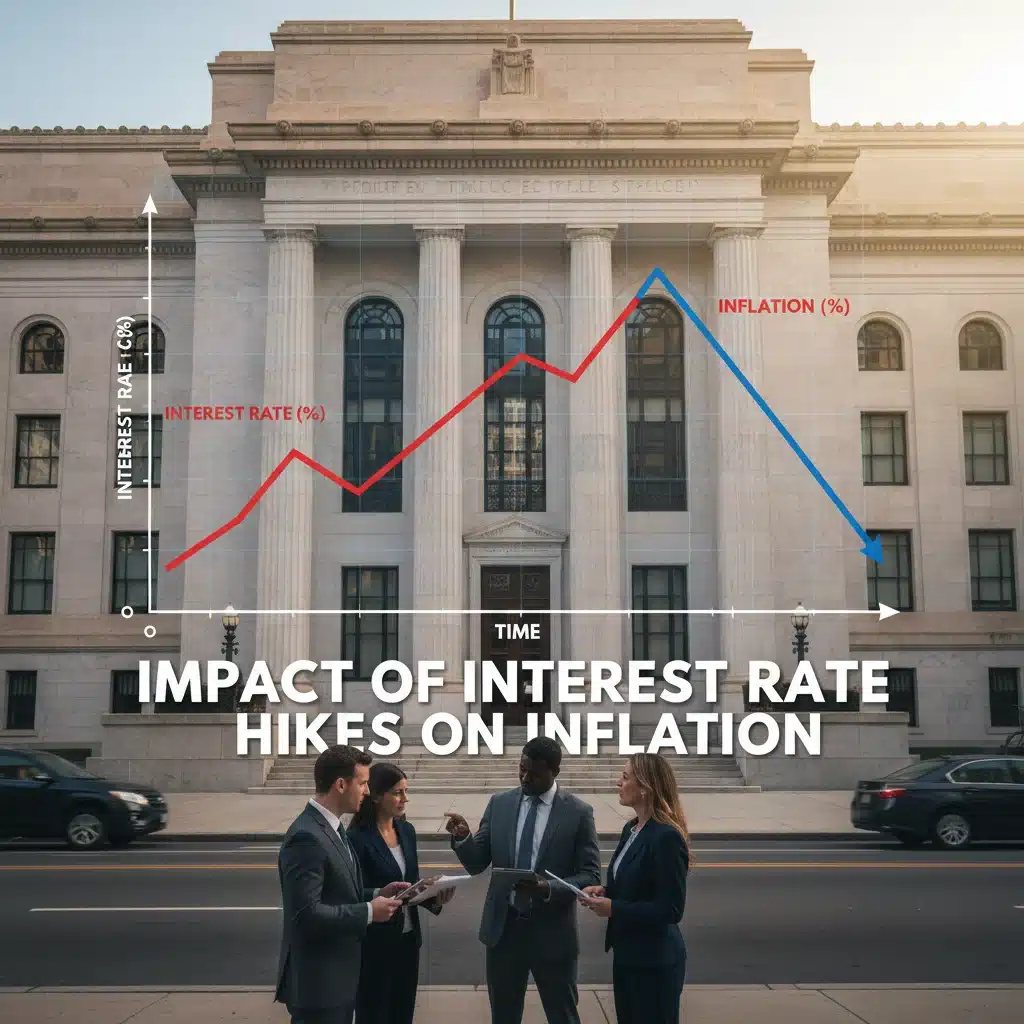
The Federal Reserve and other central banks globally responded to this inflationary surge with aggressive monetary policy tightening, primarily through interest rate hikes. These measures aim to cool down demand, reduce liquidity in the financial system, and ultimately bring inflation back to their target levels, typically around 2%. The impact of these policy actions is often seen with a significant lag, meaning the full effects of recent rate hikes are still working their way through the economy.
Anúncios
Key Drivers for CPI Stabilization Below 3% by Mid-2026
The projection of CPI stabilization below 3% by mid-2026 is not based on wishful thinking but on a careful analysis of several key economic indicators and trends. Understanding these drivers is crucial for appreciating the robustness of this CPI inflation outlook.
Monetary Policy Effectiveness
Central banks worldwide have demonstrated a strong commitment to combating inflation. The aggressive interest rate hikes implemented over the past year and a half are beginning to show their intended effects. Higher borrowing costs are slowing down consumer spending and business investment, thereby reducing aggregate demand. This reduction in demand helps to alleviate pressure on prices. As these policies continue to transmit through the economy, their cumulative impact is expected to be a significant factor in bringing inflation down.
Moreover, central banks have also been clear about their data-dependent approach, signaling that they will continue to adjust policy as needed to achieve their inflation targets. This credible commitment helps anchor inflation expectations, preventing a self-fulfilling prophecy of persistent high inflation.
Easing Supply Chain Pressures
One of the primary catalysts for the recent inflationary surge was the severe disruption to global supply chains. However, there are growing signs that these pressures are easing. Shipping costs have significantly declined from their peak, port congestion has reduced, and inventory levels are normalizing across various industries. As supply chains become more efficient and resilient, the cost of producing and transporting goods is expected to decrease, translating into lower consumer prices.
Technological advancements and investments in supply chain optimization are also contributing to this trend. Businesses are adopting strategies to diversify their supply sources and build greater redundancy, making them less vulnerable to future disruptions.
Moderating Energy and Commodity Prices
While energy and commodity prices remain subject to geopolitical risks, the general trend indicates a moderation from their peaks. Increased global production, coupled with a slight softening in demand due to economic slowdowns in some regions, is contributing to this decline. Lower energy costs directly impact the CPI through reduced transportation expenses and utility bills for consumers, and indirectly by lowering production costs for businesses.
Similarly, prices of various raw materials have also seen some stabilization, reflecting a better balance between supply and demand in global markets. This broad-based moderation in commodity prices is a positive sign for the overall CPI inflation outlook.
Shifting Consumer Demand Patterns
The pandemic saw a significant shift in consumer spending from services to goods, putting immense pressure on manufacturing and logistics. As economies reopen fully and normalcy returns, there’s a rebalancing of consumer demand back towards services, such as travel, entertainment, and dining. This shift helps to alleviate demand pressures on goods, allowing supply to catch up and prices to stabilize. Furthermore, consumers, facing higher interest rates and a more uncertain economic outlook, may become more cautious in their spending, further contributing to a moderation in demand.
Productivity Gains and Innovation
Long-term disinflationary forces, such as technological advancements and productivity gains, continue to play a role. Innovation can lead to more efficient production methods, lower costs, and increased competition, all of which put downward pressure on prices. While the impact of these forces might be more gradual, they contribute to the structural stability of prices over the medium term.
Potential Risks and Headwinds to the CPI Inflation Outlook
While the projection for CPI stabilization below 3% by mid-2026 is optimistic, it’s crucial to acknowledge the potential risks and headwinds that could derail this trajectory. Economic forecasting is inherently complex, and unforeseen events can always alter the outlook.
Geopolitical Instability
Ongoing geopolitical tensions, particularly in key energy-producing regions, pose a significant risk. Any escalation could lead to renewed spikes in energy and commodity prices, reigniting inflationary pressures. Trade disputes and protectionist policies could also disrupt supply chains and increase costs, challenging the efforts to stabilize prices.
Persistent Wage-Price Spiral
Although wage growth is moderating in some sectors, a tight labor market could still lead to persistent wage pressures. If businesses continue to pass on higher labor costs to consumers, it could create a wage-price spiral, making it harder for inflation to fall sustainably. The balance between maintaining a strong labor market and controlling inflation is a delicate one for central banks.
Unexpected Demand Shocks
A sudden and unexpected surge in consumer demand, perhaps driven by new fiscal stimulus or a significant boost in consumer confidence, could once again outstrip supply, leading to renewed inflationary pressures. While unlikely given the current policy stance, it remains a potential risk.
Financial Market Instability
Aggressive monetary policy tightening can sometimes lead to instability in financial markets. A severe downturn in financial markets could have ripple effects throughout the economy, impacting consumer and business confidence, and potentially complicating the inflation outlook. Central banks must carefully balance inflation fighting with financial stability.
Climate Change and Natural Disasters
The increasing frequency and intensity of extreme weather events due to climate change can disrupt agricultural production and supply chains, leading to higher food prices. Such events are difficult to predict but can have a significant impact on the CPI, particularly on food components.
Implications of a Stabilized CPI Below 3%
A successful stabilization of the CPI below 3% by mid-2026 would have profound implications for various aspects of the economy and society.
For Consumers
For consumers, this means a restoration of purchasing power. The erosion of savings and real wages experienced during periods of high inflation would cease, allowing household budgets to stretch further. Stable prices provide greater certainty for financial planning, making it easier to save, invest, and make major purchases. Lower inflation could also lead to more stable interest rates over the long term, benefiting borrowers.
For Businesses
Businesses would benefit from a more predictable operating environment. Stable input costs and consumer demand allow for better long-term planning, investment decisions, and pricing strategies. Reduced uncertainty can encourage capital expenditure and innovation, leading to economic growth and job creation. Furthermore, a stable inflation environment reduces the need for frequent price adjustments, simplifying operations.
For Investors
Investors would gain greater clarity on the real returns of their investments. Periods of high inflation can distort asset valuations and make it challenging to preserve wealth. A return to lower, stable inflation would likely lead to a more predictable interest rate environment, impacting bond yields and equity valuations. It could also encourage long-term investment strategies as the risk of inflation eroding returns diminishes.
For Policymakers
For central banks, achieving the 3% target would signify the success of their monetary policy interventions, allowing them to shift focus from aggressive tightening to maintaining economic stability. Governments would also find it easier to manage national budgets and implement fiscal policies without the added pressure of runaway inflation. The credibility of economic institutions would be bolstered, fostering greater public trust.
Strategies to Ensure CPI Stabilization
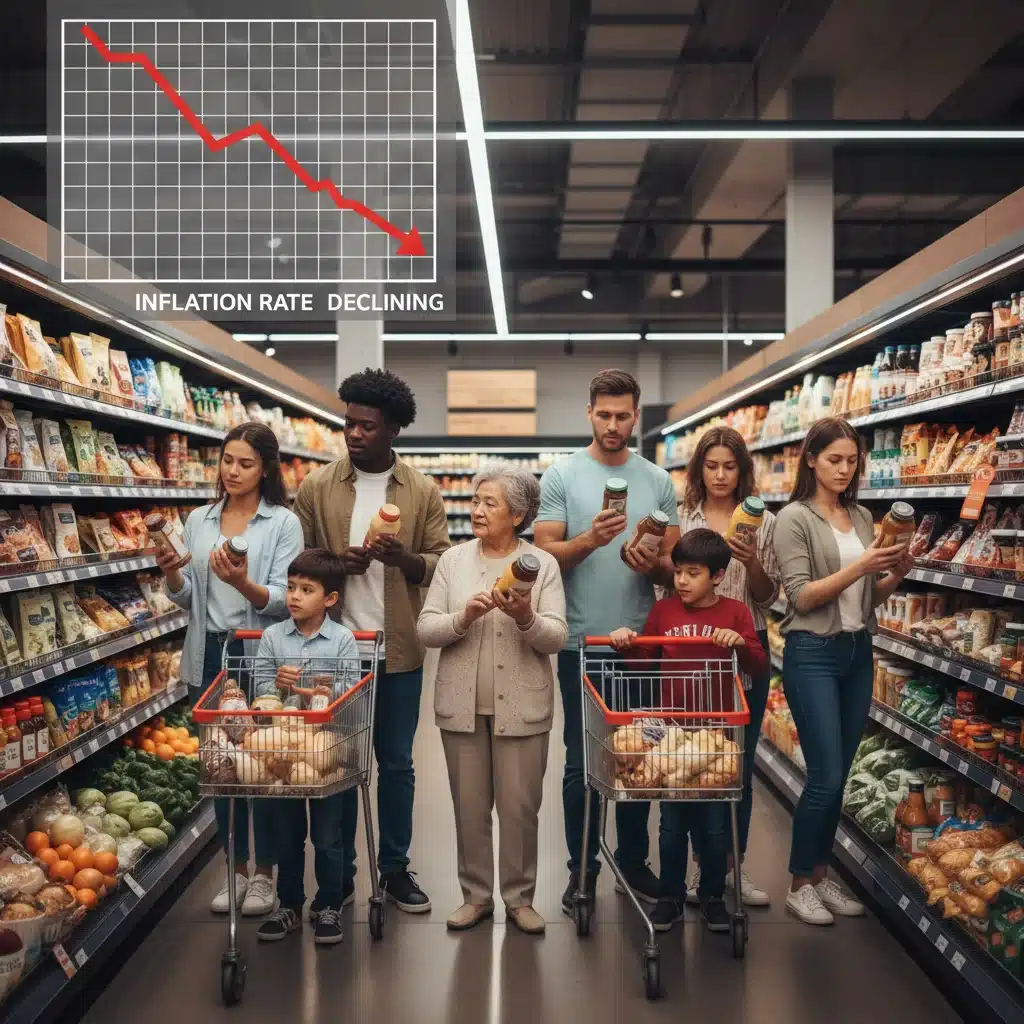
Achieving and maintaining CPI stabilization below 3% by mid-2026 requires a concerted effort from policymakers, businesses, and consumers. Several strategies can help solidify this positive outlook.
Prudent Monetary Policy
Central banks must continue to monitor economic data closely and adjust monetary policy as needed. This includes being prepared to maintain restrictive policies for as long as necessary to ensure inflation is firmly on a downward path. Clear communication about policy intentions is also vital to manage market expectations and public confidence.
Fiscal Responsibility
Governments play a critical role through responsible fiscal policy. Avoiding excessive spending that could stimulate demand beyond supply capacity is crucial. Targeted fiscal measures that address structural issues, such as investing in infrastructure or education, can boost long-term productivity without creating inflationary pressures.
Supply-Side Reforms
Policies aimed at enhancing supply-side capacity are essential. This includes investments in infrastructure, promoting competition, reducing regulatory burdens, and fostering innovation. Strengthening supply chains, both domestically and internationally, can build resilience against future shocks and help keep costs down.
Labor Market Flexibility
Policies that promote labor market flexibility, such as training programs to address skill mismatches and support for labor mobility, can help ensure that wage growth aligns with productivity gains, preventing inflationary wage spirals. Encouraging participation in the workforce can also alleviate labor shortages.
International Cooperation
Given the global nature of inflation drivers, international cooperation is more important than ever. Coordinated efforts to address supply chain vulnerabilities, manage commodity markets, and stabilize geopolitical tensions can contribute significantly to global price stability. Dialogue among central banks and finance ministries can help align policy responses.
The Path Forward: Sustaining Stability Beyond 2026
While the focus is on stabilizing CPI below 3% by mid-2026, the long-term goal is to sustain this stability. This requires a proactive approach to economic management and a continuous adaptation to evolving global dynamics. Building a resilient economy that can withstand future shocks is paramount.
Investing in renewable energy sources, for instance, can reduce reliance on volatile fossil fuel markets, thereby mitigating a significant source of inflationary pressure. Promoting technological adoption and digital transformation across industries can enhance efficiency and productivity, acting as a disinflationary force. Furthermore, fostering a culture of innovation and entrepreneurship can drive new solutions that address economic challenges.
Education and workforce development are also critical. A skilled and adaptable workforce is better equipped to meet the demands of a changing economy, contributing to productivity growth and reducing labor market imbalances. Policies that support small and medium-sized enterprises (SMEs) can also foster competition and innovation, which are vital for price stability.
Maintaining strong and independent central banks with clear mandates for price stability is fundamental. Their ability to make data-driven decisions free from political interference is crucial for effective inflation management. Transparency in policy communication also plays a key role in anchoring public and market expectations.
Conclusion
The projection that the CPI will stabilize below 3% by mid-2026 offers a promising outlook for the global economy. This anticipated moderation in inflation is a testament to the aggressive monetary policy actions undertaken by central banks, the easing of global supply chain pressures, and the rebalancing of consumer demand. While significant risks remain, including geopolitical instability and potential wage-price spirals, a concerted effort from policymakers, businesses, and individuals can help navigate these challenges.
A stabilized CPI below 3% would usher in an era of greater economic predictability and stability, benefiting consumers with enhanced purchasing power, businesses with a more favorable operating environment, and investors with clearer prospects for returns. The journey to achieve this stability requires continued vigilance, adaptability, and a commitment to sound economic principles. As we move towards mid-2026, all eyes will be on the CPI, hopeful for a sustained period of price stability that underpins robust and equitable economic growth.