Federal Reserve’s Latest Interest Rate Announcement: What It Means for the Next 12 Months
Anúncios
Federal Reserve’s Latest Interest Rate Announcement: What It Means for the Next 12 Months
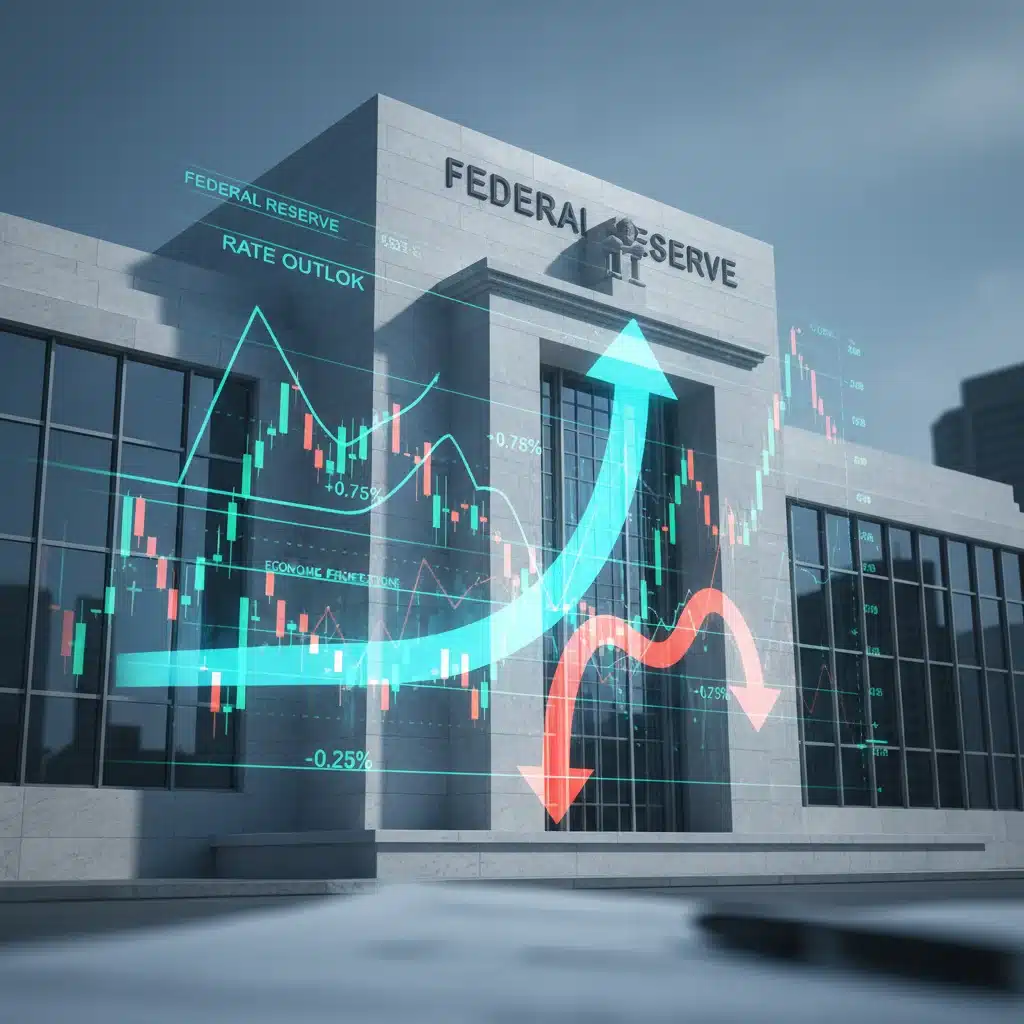
The financial world holds its breath with every pronouncement from the Federal Reserve. These decisions, particularly regarding interest rates, ripple through every facet of the economy, affecting everything from the cost of borrowing for a new home to the returns on your savings account. The Federal Reserve’s latest interest rate announcement is no exception, and understanding its implications is crucial for individuals, businesses, and investors alike. This comprehensive article will delve into the details of the recent announcement, explore its potential impact across various sectors, and provide an outlook for the next 12 months, helping you navigate the evolving economic landscape. Our focus will be on the critical Fed Rate Outlook.
Understanding the Federal Reserve’s Mandate and Tools
Before we dissect the latest announcement, it’s essential to grasp the fundamental role of the Federal Reserve (often called the ‘Fed’). Established in 1913, the Fed serves as the central bank of the United States. Its primary objectives, mandated by Congress, are to promote maximum employment, stable prices, and moderate long-term interest rates. These are often referred to as the ‘dual mandate’ (price stability and maximum employment), with moderate long-term interest rates being a natural outcome of achieving the first two.
Key Monetary Policy Tools
The Fed employs several tools to achieve its mandate, with interest rates being among the most prominent:
Anúncios
- The Federal Funds Rate: This is the target interest rate set by the Federal Open Market Committee (FOMC) for overnight borrowing between banks. While the Fed doesn’t directly control this rate, it influences it through open market operations. Changes in the federal funds rate cascade through the entire financial system, impacting other interest rates like those for mortgages, car loans, and credit cards.
- Discount Rate: The interest rate at which commercial banks can borrow money directly from the Federal Reserve. It serves as a backup source of liquidity for banks.
- Reserve Requirements: The amount of funds that banks must hold in reserve against deposits. Altering these requirements can influence the amount of money banks have available to lend.
- Open Market Operations (OMOs): The buying and selling of government securities in the open market. This is the primary tool the Fed uses to manage the federal funds rate and the overall money supply.
- Quantitative Easing/Tightening: Large-scale asset purchases (QE) or sales (QT) aimed at influencing long-term interest rates and injecting or withdrawing liquidity from the financial system, especially during periods of economic stress.
The recent announcement, and the subsequent Fed Rate Outlook, largely revolves around adjustments to the federal funds rate target range, as this has the most immediate and widespread impact on the economy.
Dissecting the Latest Federal Reserve Announcement
The most recent Federal Reserve announcement provided critical insights into the central bank’s assessment of the current economic climate and its future policy intentions. Typically, these announcements are followed by a press conference with the Fed Chair and the release of the Summary of Economic Projections (SEP), also known as the ‘dot plot,’ which illustrates FOMC members’ individual forecasts for key economic variables, including the federal funds rate.
Anúncios
Key Takeaways from the Announcement
- Interest Rate Decision: The core of the announcement is always the decision regarding the federal funds rate. Was it raised, lowered, or kept steady? The magnitude of any change is also significant. A 25-basis-point (0.25%) move is considered standard, while larger moves signal more aggressive action.
- Economic Assessment: The Fed provides a statement outlining its view on the state of the economy, including inflation, employment, and economic growth. This narrative is crucial for understanding the rationale behind their policy choices.
- Forward Guidance: The Fed often offers ‘forward guidance,’ which are statements about the likely future path of monetary policy. This guidance helps to manage market expectations and reduce uncertainty. Phrases like ‘data-dependent’ or ‘appropriate to maintain restrictive policy’ are common.
- Dot Plot Projections: The SEP provides a glimpse into the individual expectations of FOMC members for the federal funds rate, GDP growth, inflation, and unemployment over the coming years. The median projection is particularly important for discerning the overall Fed Rate Outlook.
- Inflationary Concerns: Inflation has been a dominant theme in recent years. The Fed’s assessment of inflation, whether it’s trending towards their 2% target, and the factors driving it (supply-side vs. demand-side) heavily influence their decisions.
Understanding these components is the first step in forecasting how the economy might react over the next 12 months. The market’s reaction to the announcement itself (e.g., stock market movements, bond yields) often provides immediate clues about how investors are interpreting the Fed’s stance.
Impact on Key Economic Sectors Over the Next 12 Months
The Federal Reserve’s interest rate decisions cast a long shadow, influencing various sectors of the economy in distinct ways. The Fed Rate Outlook directly impacts borrowing costs, consumer spending, business investment, and international trade.
1. The Housing Market
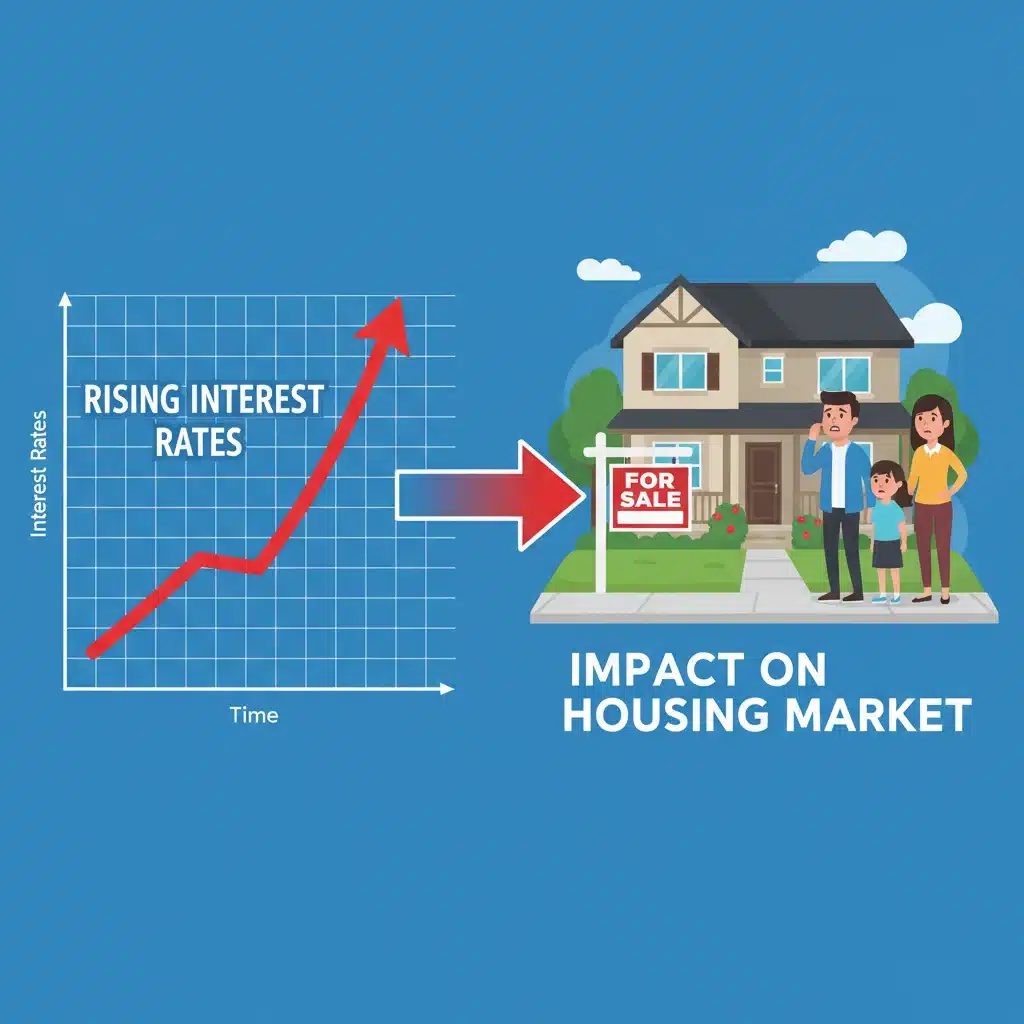
Perhaps one of the most directly affected sectors is housing. Mortgage rates are closely tied to the federal funds rate and bond yields. When the Fed raises rates, mortgage rates typically follow suit, making homeownership more expensive for prospective buyers. Conversely, rate cuts can stimulate demand.
- Higher Rates: If the Fed Rate Outlook suggests continued high or rising rates, we can expect mortgage rates to remain elevated. This can lead to a cooling housing market, reduced affordability, lower sales volumes, and potentially softer home price appreciation or even declines in some areas. Home equity lines of credit (HELOCs) and adjustable-rate mortgages (ARMs) also become more expensive.
- Lower Rates/Stasis: If the Fed signals a pause or future cuts, mortgage rates might stabilize or even decrease, potentially reigniting buyer interest and supporting home prices. However, the exact impact depends on other market factors like housing supply and demand.
For homeowners, refinancing opportunities become less attractive with higher rates, while those with variable-rate mortgages will see their payments increase. For aspiring homeowners, the timing of a purchase becomes even more critical.
2. Consumer Spending and Debt
Consumers feel the impact of interest rate changes through various channels, primarily their borrowing costs and disposable income.
- Credit Card Debt: Most credit cards have variable interest rates. When the Fed raises rates, the Annual Percentage Rate (APR) on credit cards increases, making it more expensive to carry a balance. This can reduce consumer discretionary spending as more income goes towards debt servicing.
- Auto Loans and Personal Loans: Similar to mortgages, interest rates on new auto loans and personal loans tend to rise with the federal funds rate. This increases the monthly payments for new purchases, potentially dampening demand for big-ticket items.
- Savings Accounts and CDs: On the flip side, higher interest rates are generally good news for savers. Banks tend to offer higher yields on savings accounts, money market accounts, and Certificates of Deposit (CDs), providing a better return on parked cash. This can incentivize saving over spending.
The overall effect on consumer spending depends on the balance between increased borrowing costs and potential benefits for savers, as well as the broader economic sentiment. A restrictive Fed Rate Outlook typically aims to slow down consumer demand to combat inflation.
3. Business Investment and Employment
Businesses are highly sensitive to interest rates, as borrowing costs directly affect their ability to invest, expand, and create jobs.
- Borrowing Costs for Businesses: When interest rates rise, it becomes more expensive for companies to take out loans for capital expenditures, expansion projects, or even day-to-day operations. This can lead to a slowdown in business investment.
- Job Market Impact: Reduced business investment can translate into slower job growth or even layoffs, as companies become more cautious about hiring and expanding. A tightening monetary policy, driven by the Fed Rate Outlook, often aims to cool an overheating labor market to ease wage pressures and inflation.
- Profitability: Companies with significant debt loads may see their interest expenses increase, impacting their profitability. Conversely, companies with strong cash reserves might find it more attractive to acquire assets or invest when borrowing costs are higher for competitors.
The Fed walks a tightrope, aiming to curb inflation without triggering a severe recession and significant job losses. The balance struck in the Fed Rate Outlook is critical for the trajectory of the job market.
4. Investments and Financial Markets
Financial markets react almost instantaneously to Federal Reserve announcements and their implications for the Fed Rate Outlook.
- Stock Market: Higher interest rates can be a headwind for the stock market. They increase the cost of capital for companies, make future earnings less valuable in present terms (discount rate effect), and make fixed-income investments (like bonds) more attractive relative to stocks. Sectors sensitive to consumer spending or heavily reliant on borrowing (e.g., tech, real estate) might be particularly affected.
- Bond Market: Bond prices and interest rates move inversely. When the Fed raises rates, newly issued bonds offer higher yields, making older, lower-yielding bonds less attractive, thus pushing their prices down. The yield curve (the difference between short-term and long-term bond yields) is closely watched for recessionary signals (e.g., an inverted yield curve).
- Currency Exchange Rates: Higher interest rates in the U.S. can make dollar-denominated assets more attractive to foreign investors, increasing demand for the dollar and strengthening its value against other currencies. A stronger dollar can make U.S. exports more expensive and imports cheaper.
Investors must adjust their portfolios based on the prevailing Fed Rate Outlook, often shifting towards more defensive assets or re-evaluating growth strategies.
Expert Forecasts and the Next 12 Months: Navigating the Fed Rate Outlook
Predicting the Federal Reserve’s exact moves over the next 12 months is challenging, as their policy is inherently ‘data-dependent.’ However, economic analysts and institutions offer valuable forecasts based on current trends, the Fed’s stated goals, and historical patterns. The consensus Fed Rate Outlook is often distilled from these various predictions.
Factors Influencing the Fed’s Future Decisions
Several key economic indicators will heavily influence the Fed’s path:
- Inflation Data: The Consumer Price Index (CPI) and Personal Consumption Expenditures (PCE) price index are paramount. The Fed will closely monitor whether inflation is sustainably moving towards its 2% target. Persistent high inflation would likely necessitate a more restrictive stance.
- Employment Data: Non-farm payrolls, the unemployment rate, wage growth, and job openings provide insights into the health and tightness of the labor market. A robust labor market with strong wage growth can contribute to inflationary pressures, prompting the Fed to maintain higher rates.
- GDP Growth: Overall economic growth, as measured by GDP, indicates the economy’s strength. If growth is too strong, it can fuel inflation; if it’s too weak, it might signal a need for stimulus (rate cuts).
- Global Economic Conditions: International events, such as geopolitical tensions, supply chain disruptions, or economic slowdowns in major trading partners, can also impact the U.S. economy and thus the Fed’s decisions.
- Financial Stability Risks: The Fed also considers risks to financial stability, such as excessive leverage in the banking system or asset bubbles, when formulating policy.
The interplay of these factors will shape the actual trajectory of interest rates, making the Fed Rate Outlook dynamic and subject to change.
Potential Scenarios for the Next 12 Months
Based on current information and expert analyses, several scenarios could unfold regarding the Fed Rate Outlook:
- ‘Higher for Longer’ Scenario: This scenario suggests that inflation remains sticky, or the labor market stays exceptionally strong. In this case, the Fed might maintain interest rates at their current elevated levels for an extended period, or even implement further modest rate hikes. This would mean continued pressure on borrowers and potentially a slower economic growth environment.
- Soft Landing Scenario: This is the ideal outcome, where inflation gradually cools without a significant economic downturn or widespread job losses. The Fed might maintain rates for a period and then begin a series of gradual rate cuts towards the latter half of the 12-month period as inflation approaches its target. This would offer relief to borrowers and could stimulate a moderate economic rebound.
- Recession Scenario: If the economy weakens more significantly than anticipated, perhaps due to the cumulative effect of past rate hikes, a global slowdown, or unforeseen shocks, the Fed might be forced to cut rates more aggressively to stimulate growth and prevent a deeper recession. This would likely be accompanied by a downturn in corporate earnings and a challenging job market.
Most analysts are currently leaning towards a ‘higher for longer’ or a ‘soft landing’ scenario, but the precise timing and magnitude of any rate changes remain highly uncertain. The Fed’s communication will be critical in shaping market expectations and guiding the economy.

Strategies for Individuals and Businesses
Given the dynamic nature of the Fed Rate Outlook, proactive planning is essential. Here are some strategies for individuals and businesses to consider:
For Individuals:
- Review Your Debt: If you have variable-rate debt (credit cards, ARMs, HELOCs), understand how rising rates affect your payments. Consider consolidating high-interest debt or paying down balances aggressively.
- Boost Savings: Take advantage of potentially higher yields on savings accounts, money market accounts, and CDs. Re-evaluate your emergency fund strategy.
- Investment Portfolio Review: Consult with a financial advisor to ensure your portfolio is aligned with your risk tolerance and long-term goals in a higher interest rate environment. Consider diversification and assets that perform well in different economic cycles.
- Housing Decisions: If you’re looking to buy, factor in potentially higher mortgage rates into your budget. If selling, understand that demand might be softer.
- Budgeting: Re-evaluate your household budget to account for increased costs of borrowing and potentially higher prices for goods and services if inflation remains elevated.
For Businesses:
- Manage Debt and Financing: Assess your current debt structure. If you have variable-rate loans, explore options for refinancing into fixed-rate debt if appropriate. Plan for higher borrowing costs for future capital expenditures.
- Cash Flow Management: Optimize cash flow and working capital management. Higher interest rates can increase the cost of carrying inventory or financing receivables.
- Pricing Strategies: Carefully consider pricing strategies in an inflationary environment. Balance the need to cover rising costs with maintaining competitiveness.
- Investment Decisions: Scrutinize new investment projects. Higher interest rates increase the hurdle rate for projects to be profitable.
- Labor Market Adjustments: Monitor labor market trends closely. If the job market cools, talent acquisition might become easier, but demand for your products or services might also soften.
Adapting to the evolving Fed Rate Outlook requires vigilance and flexibility. Proactive measures can help mitigate risks and identify opportunities.
The Role of Communication and Market Expectations
Beyond the actual rate decisions, the Federal Reserve’s communication plays a pivotal role in shaping market expectations and influencing economic behavior. The Fed uses various channels, including speeches by FOMC members, minutes from meetings, and the SEP, to signal its intentions and rationale.
Clear and consistent communication helps prevent market surprises, which can lead to volatility. When the Fed’s communication aligns with market expectations, the impact of their decisions tends to be smoother. Conversely, miscommunication or unexpected shifts in guidance can cause significant market disruptions. Therefore, closely following the Fed’s public statements is just as important as analyzing the rate decisions themselves when forming a comprehensive Fed Rate Outlook.
Conclusion
The Federal Reserve’s latest interest rate announcement is a critical juncture for the U.S. economy, setting the stage for financial conditions over the next 12 months. The Fed Rate Outlook, whether it points to ‘higher for longer,’ a ‘soft landing,’ or a more challenging recessionary environment, will have profound implications for virtually everyone.
From the affordability of homes and cars to the returns on investments and the profitability of businesses, the ripple effects of monetary policy are undeniable. While precise predictions are difficult, understanding the Fed’s mandate, its tools, the key economic indicators it monitors, and the potential scenarios can empower individuals and businesses to make informed decisions. Staying abreast of economic data, the Fed’s communications, and expert analyses will be paramount in navigating the evolving financial landscape and positioning oneself for success in the coming year.