Adult Learners’ Guide: 7 Strategies to Successfully Return to College in 2026
Anúncios
In an ever-evolving world, the decision to return to college as an adult is becoming increasingly common and, for many, a necessity. Whether driven by a desire for career advancement, a passion for lifelong learning, or the pursuit of a long-deferred dream, adult learners bring a unique blend of life experience, motivation, and practical skills to the academic environment. However, embarking on this journey in 2026 comes with its own set of challenges and considerations. This comprehensive guide provides seven essential strategies to help adult learners not only navigate the complexities of higher education but also to thrive and achieve their academic and personal goals.
The landscape of higher education is constantly changing. New technologies, evolving teaching methodologies, and a greater emphasis on flexible learning options mean that returning to college in 2026 will be different from what it might have been years ago. For adult learners, this can be both an opportunity and a source of apprehension. Balancing existing commitments – work, family, finances – with the demands of academic life requires careful planning, resilience, and a clear understanding of available resources. This article aims to demystify the process, offering actionable advice and a roadmap for success.
1. Define Your Goals and Research Programs Thoroughly
Before you even think about submitting an application, the most crucial first step for any adult looking to return to college is to clearly define your goals. What do you hope to achieve by going back to school? Is it a career change, a promotion, personal enrichment, or a specific skill acquisition? Having a clear purpose will not only motivate you but also guide your program selection.
Anúncios
Once your goals are crystal clear, thorough research into available programs is paramount. Don’t just look at a degree title; delve into the curriculum, faculty expertise, learning outcomes, and career services offered. Consider factors specific to adult learners, such as:
- Program Format: Do they offer online courses, hybrid models, evening classes, or accelerated programs? Flexibility is often key for adult learners balancing other responsibilities.
- Accreditation: Ensure the institution and program are properly accredited. This affects transferability of credits, financial aid eligibility, and the recognition of your degree by employers.
- Support Services: Look for institutions that offer specific support services for adult learners, such as academic advising, career counseling, and mental health resources tailored to their unique needs.
- Networking Opportunities: Investigate opportunities for networking with peers and professionals in your desired field.
Many adult learners find that community colleges offer an excellent starting point, providing affordable tuition and flexible schedules, often with pathways to transfer to four-year institutions. Explore different types of institutions – public universities, private colleges, vocational schools – to find the best fit for your aspirations and lifestyle. Remember, the right program can make all the difference in your journey to return to college successfully.
Anúncios
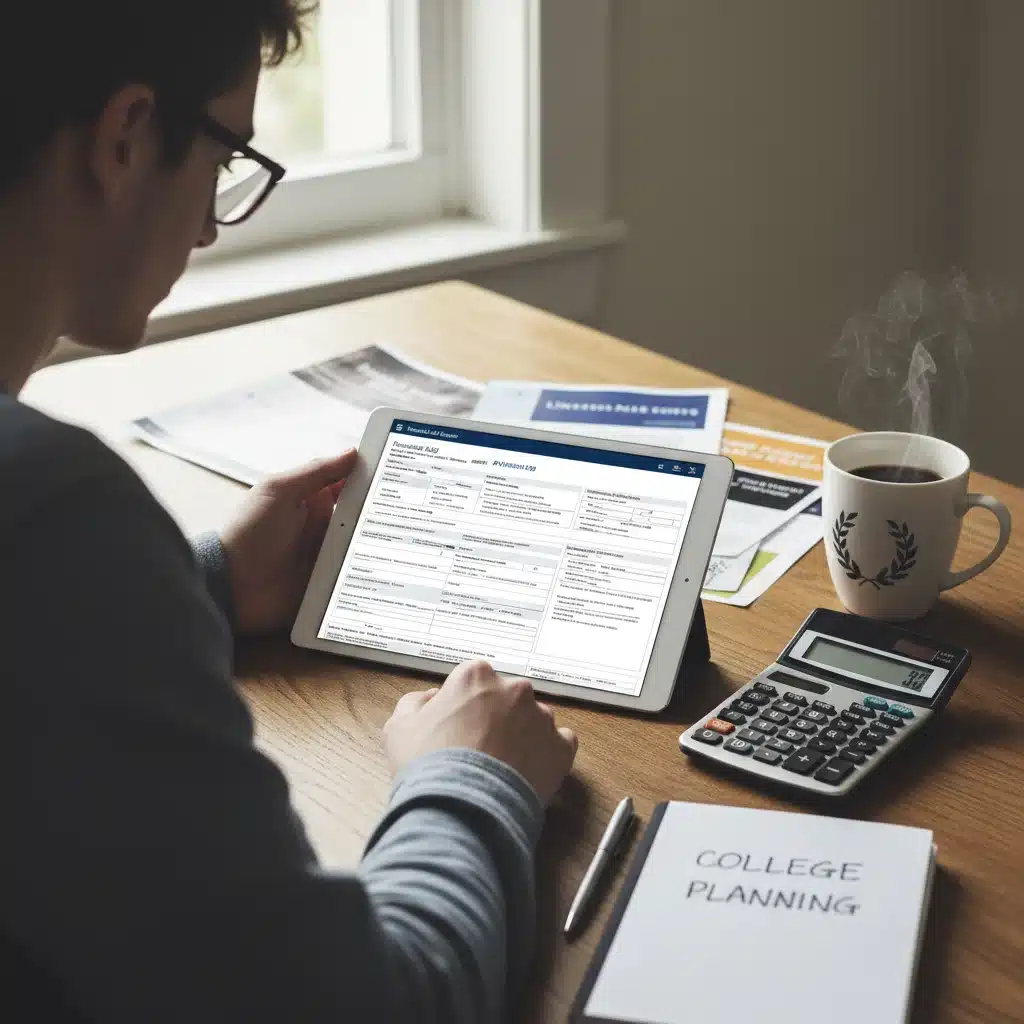
2. Develop a Robust Financial Plan
One of the most significant hurdles for adults considering a return to college is financial. Tuition, fees, textbooks, and living expenses can quickly add up. A comprehensive financial plan is absolutely essential to ensure your academic journey is sustainable. Start by understanding the true cost of attendance for your chosen programs.
Next, explore all available financial aid options. Don’t assume you won’t qualify because you’re an adult or have a certain income level. Many forms of aid are specifically designed for non-traditional students:
- Federal Financial Aid (FAFSA): This is the gateway to federal grants, loans, and work-study programs. Even if you don’t think you’ll qualify for grants, completing the FAFSA is necessary for federal student loans.
- Scholarships and Grants: Research scholarships specifically for adult learners, women, minorities, specific professions, or those returning to school after a break. Many professional organizations and private foundations offer these.
- Employer Tuition Assistance: Check if your current or previous employer offers tuition reimbursement programs. This can significantly reduce your out-of-pocket costs.
- Veterans’ Benefits: If you are a veteran, explore the educational benefits available through the GI Bill and other programs.
- Student Loans: While ideally minimized, student loans can be a necessary component of your financial plan. Understand the terms, interest rates, and repayment options before committing.
Beyond aid, consider your personal budget. Can you work part-time? Are there areas where you can cut expenses? Creating a detailed budget that accounts for tuition, books, transportation, childcare (if applicable), and living costs will help you manage your finances effectively throughout your studies. Proactive financial planning is a cornerstone for any adult looking to return to college without undue stress.
3. Master Time Management and Organization
For adult learners, time is a precious commodity. Juggling academic responsibilities with work, family, and personal commitments requires exceptional time management and organizational skills. This is not just about scheduling; it’s about strategic planning and effective execution.
Begin by creating a master schedule that incorporates all your weekly commitments – classes, study time, work hours, family duties, and even self-care. Be realistic about how much time you can dedicate to studying. Many adult learners underestimate the time commitment required for college-level coursework.
- Prioritize Tasks: Use tools like to-do lists, planners (digital or physical), or project management apps to prioritize assignments and deadlines.
- Break Down Large Tasks: Instead of seeing a large research paper as one daunting task, break it down into smaller, manageable steps (e.g., topic selection, outline, research, drafting, editing).
- Schedule Dedicated Study Blocks: Treat your study time like an important appointment. Find quiet times and places where you can focus without interruption.
- Utilize Commute Time: If you commute, use that time for reading, listening to lectures, or reviewing notes.
- Learn to Say No: It’s okay to decline non-essential social engagements or take on fewer responsibilities at work or home during peak academic periods.
- Embrace Technology: Use calendar apps, note-taking software, cloud storage, and online learning platforms to stay organized and access materials efficiently.
Effective time management minimizes stress and maximizes productivity, allowing you to excel academically while maintaining balance in other areas of your life. This skill is particularly vital for those who return to college after a significant break.

4. Build a Support System
No one succeeds alone, especially when undertaking a significant challenge like returning to college as an adult. Building a strong support system is critical for your emotional well-being and academic success. This network can provide encouragement, practical help, and a much-needed sounding board.
Your support system can include:
- Family and Friends: Communicate your goals and the demands of your studies to your loved ones. Explain that you might have less free time and ask for their understanding and support. They might be able to help with childcare, household chores, or simply offer emotional encouragement.
- Fellow Students: Connect with other adult learners in your classes or through student organizations. They understand your unique challenges and can offer camaraderie, study groups, and shared advice.
- Academic Advisors: Your academic advisor is a key resource for navigating course selections, degree requirements, and institutional policies. Maintain regular communication.
- Faculty and Mentors: Don’t hesitate to reach out to professors during office hours. They can provide academic guidance, career insights, and even serve as mentors.
- Campus Support Services: Utilize services like tutoring centers, writing labs, counseling services, and adult learner resource centers. These resources are designed to help you succeed.
Having people who believe in you and can offer practical or emotional assistance will significantly ease the burden and increase your chances of successfully completing your degree. Remember, it’s a marathon, not a sprint, and a good team makes the journey much more manageable.
5. Re-Acquaint Yourself with Academic Skills
If it’s been a while since you were last in a classroom, you might find that some of your academic skills are rusty. This is perfectly normal for anyone who decides to return to college. Don’t let this deter you; instead, proactively work on sharpening these essential skills before or during your initial semesters.
- Study Skills: Review effective note-taking strategies, active reading techniques, and test-taking approaches. Many colleges offer workshops or online resources for study skills.
- Writing and Research: Academic writing often follows specific conventions. Familiarize yourself with essay structure, citation styles (e.g., APA, MLA), and how to conduct effective library and online research. The college writing center is an invaluable resource.
- Technology Proficiency: Modern college relies heavily on technology. Ensure you are comfortable with common software (word processors, presentation tools), learning management systems (e.g., Canvas, Blackboard), and online communication tools.
- Critical Thinking: College coursework emphasizes critical analysis and independent thought. Practice evaluating information, forming reasoned arguments, and engaging in constructive debate.
- Math and Science Refresher: If your program requires subjects like algebra, calculus, or chemistry, consider taking a refresher course or utilizing online tutorials to get up to speed.
Many universities offer bridge programs or introductory courses specifically designed to help adult learners transition back into academic life. Taking advantage of these resources can build your confidence and lay a strong foundation for your studies. Don’t be afraid to ask for help; it’s a sign of strength, not weakness, when you return to college.
6. Prioritize Self-Care and Maintain Well-being
The journey of an adult learner can be demanding, both mentally and physically. It’s easy to get caught up in the endless cycle of studying, working, and family responsibilities, neglecting your own needs. However, prioritizing self-care is not a luxury; it’s a necessity for sustained success and preventing burnout.
Make a conscious effort to integrate self-care into your routine:
- Get Adequate Sleep: Lack of sleep impairs cognitive function, memory, and mood. Aim for 7-9 hours of quality sleep whenever possible.
- Eat Nutritious Meals: Fuel your body and brain with healthy food. Avoid relying on excessive caffeine or sugary snacks.
- Exercise Regularly: Physical activity is a powerful stress reliever and can boost energy levels and mental clarity. Even short walks can make a difference.
- Manage Stress: Identify your stress triggers and develop healthy coping mechanisms. This could include meditation, mindfulness, hobbies, or spending time in nature.
- Take Breaks: Step away from your studies regularly. Short breaks can improve focus and prevent mental fatigue.
- Maintain Social Connections: While time might be limited, make an effort to connect with friends and family. Isolation can contribute to stress and demotivation.
Remember that your mental and physical health are just as important as your grades. A balanced approach will allow you to maintain your energy and enthusiasm throughout your academic journey. This is particularly important for those who return to college, as they often have more responsibilities to juggle.
7. Embrace Flexibility and Adaptability
Life is unpredictable, and for adult learners, unexpected challenges can arise at any moment. Your ability to embrace flexibility and adapt to changing circumstances will be a key factor in your success. This means being prepared for detours, adjusting your plans, and not getting discouraged by setbacks.
- Be Open to Online Learning: While some prefer traditional classroom settings, online courses offer unparalleled flexibility for adult learners. Be open to exploring this option, especially for electives or during periods when in-person attendance is difficult.
- Adjust Your Pace: It’s okay if you can’t take a full course load every semester. Many adult learners opt for part-time study to better balance their commitments. Progress at a pace that is sustainable for you.
- Seek Extensions When Needed: If you’re facing a personal emergency or significant challenge, communicate with your professors and advisors. Most institutions are understanding and may offer extensions or other accommodations.
- Learn from Setbacks: Not every assignment will be perfect, and you might face academic challenges. View these as learning opportunities rather than failures. Adjust your study strategies and move forward.
- Stay Informed: Keep up-to-date with university policies, deadlines, and resources. Changes can happen, and being informed allows you to adapt quickly.
- Celebrate Small Victories: Acknowledge your progress, no matter how small. Completing a challenging assignment, understanding a complex concept, or successfully juggling your responsibilities are all reasons to celebrate and reinforce your motivation to return to college.
The path back to college as an adult is rarely a straight line. By remaining flexible, resilient, and open to adaptation, you can navigate the inevitable twists and turns and ultimately achieve your educational aspirations. Your determination to return to college is a powerful asset.
Conclusion: Your Journey to Return to College in 2026
Returning to college as an adult in 2026 is a significant undertaking, one that requires careful planning, unwavering dedication, and a strategic approach. By defining clear goals, securing your financial future, mastering time management, building a robust support network, refreshing your academic skills, prioritizing self-care, and embracing flexibility, you are not just enrolling in a program; you are investing in your future and embarking on a transformative journey.
The challenges are real, but so are the rewards. Adult learners bring a wealth of life experience, a strong work ethic, and a clear sense of purpose to their studies, often leading to deeper engagement and greater academic success. The skills you gain, the knowledge you acquire, and the connections you make will extend far beyond the classroom, opening new doors in your career and enriching your personal life.
As you prepare to return to college, remember that you are not alone. Millions of adults have successfully navigated this path, proving that it’s never too late to pursue higher education. With these seven strategies as your guide, you are well-equipped to face the journey ahead with confidence and achieve your academic dreams in 2026 and beyond. Good luck on your inspiring endeavor to return to college!